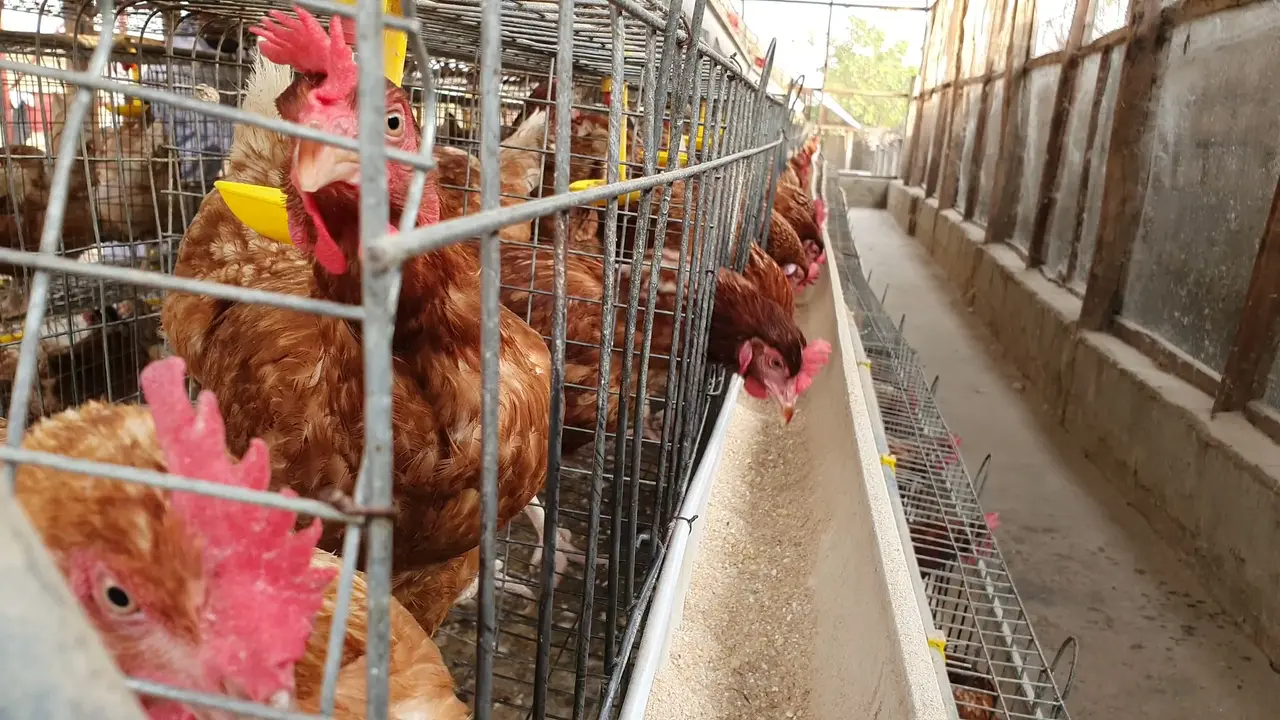
Solution · Stacked layer cages
Belts for stacked layer cages
01 / System
The system
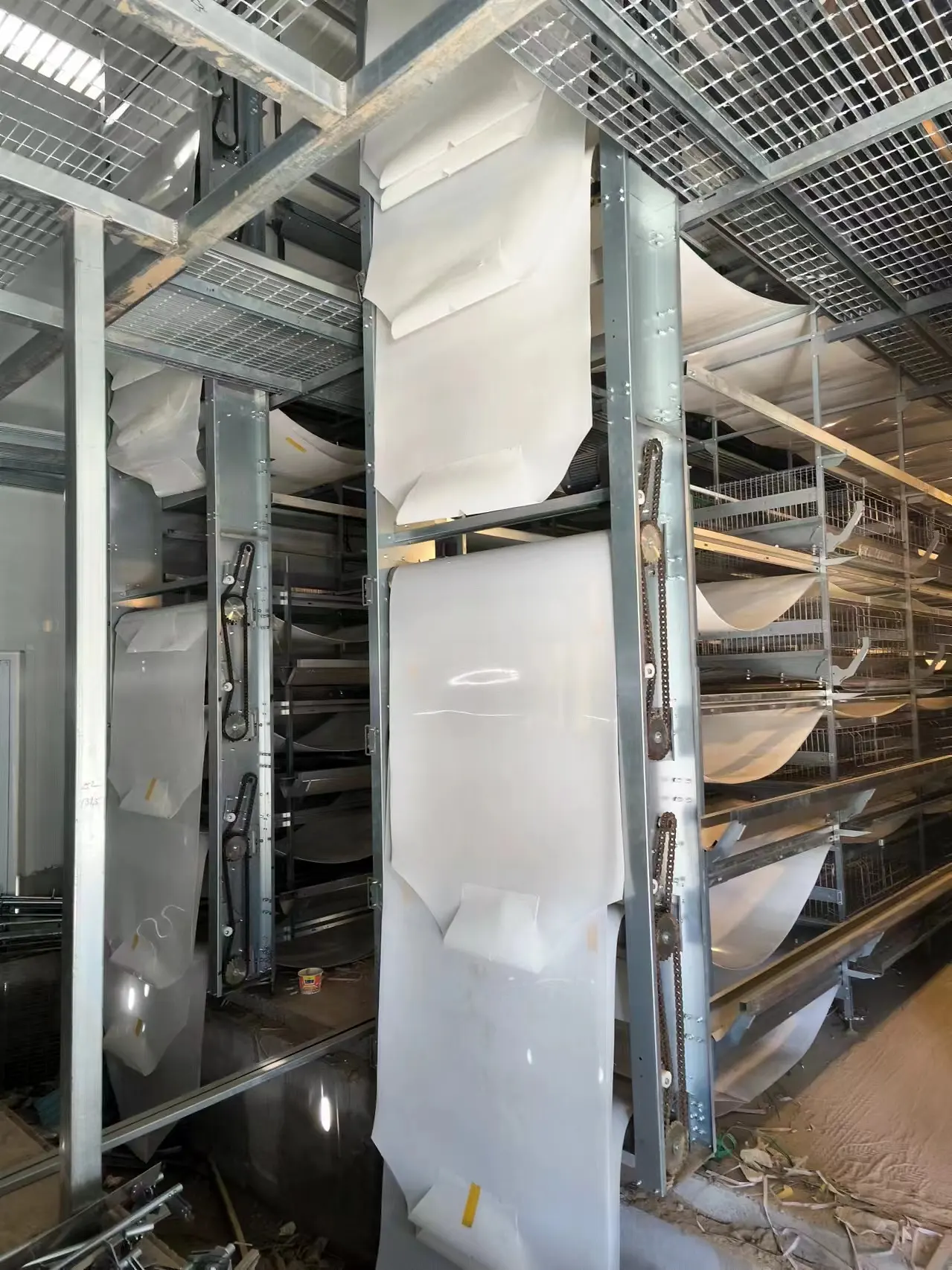
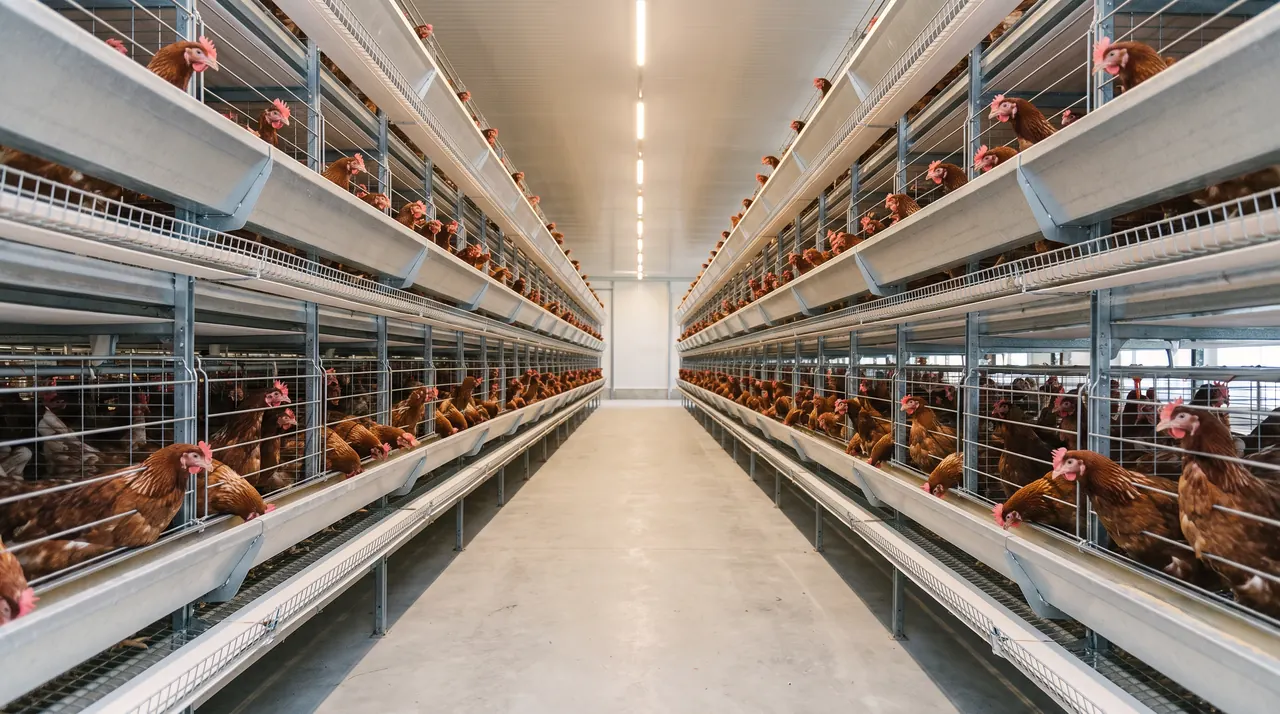
China’s 2023 MARA guidance defines 4–12 tier stacked housing as vertical (multi-tier) production and calls for belt-type manure removal on every tier, with longitudinal, lateral and inclined belts, so manure never reaches the floor. A set has four parts: longitudinal belts (one per tier), lateral belt, inclined belt, and drive & control.
02 / Example
Example: 8-tier house
| Section | Typical material | Quantity | Notes |
|---|---|---|---|
| Longitudinal (in-cage) | PP | 8 per row | Common thickness 1.0 / 1.2 mm; width to cage |
| Lateral | Endless rubber (PVC also used) | 1 per house end | Width/length to end-of-row plan |
| Inclined | Endless rubber | 1 | Angle from height and run |
| Egg belt | PP | 8 per row | Width to egg channel |
“Typical” means common industry practice, not a fixed rule; your system drawing decides.
03 / Load
More tiers, more load
MARA cites roughly 30–60 birds/m² for 4–8 tiers and 75–90 birds/m² for 10–12 tiers. The lateral belt receives manure from every tier, so size the lateral, inclined and drive for the whole house, not one row.
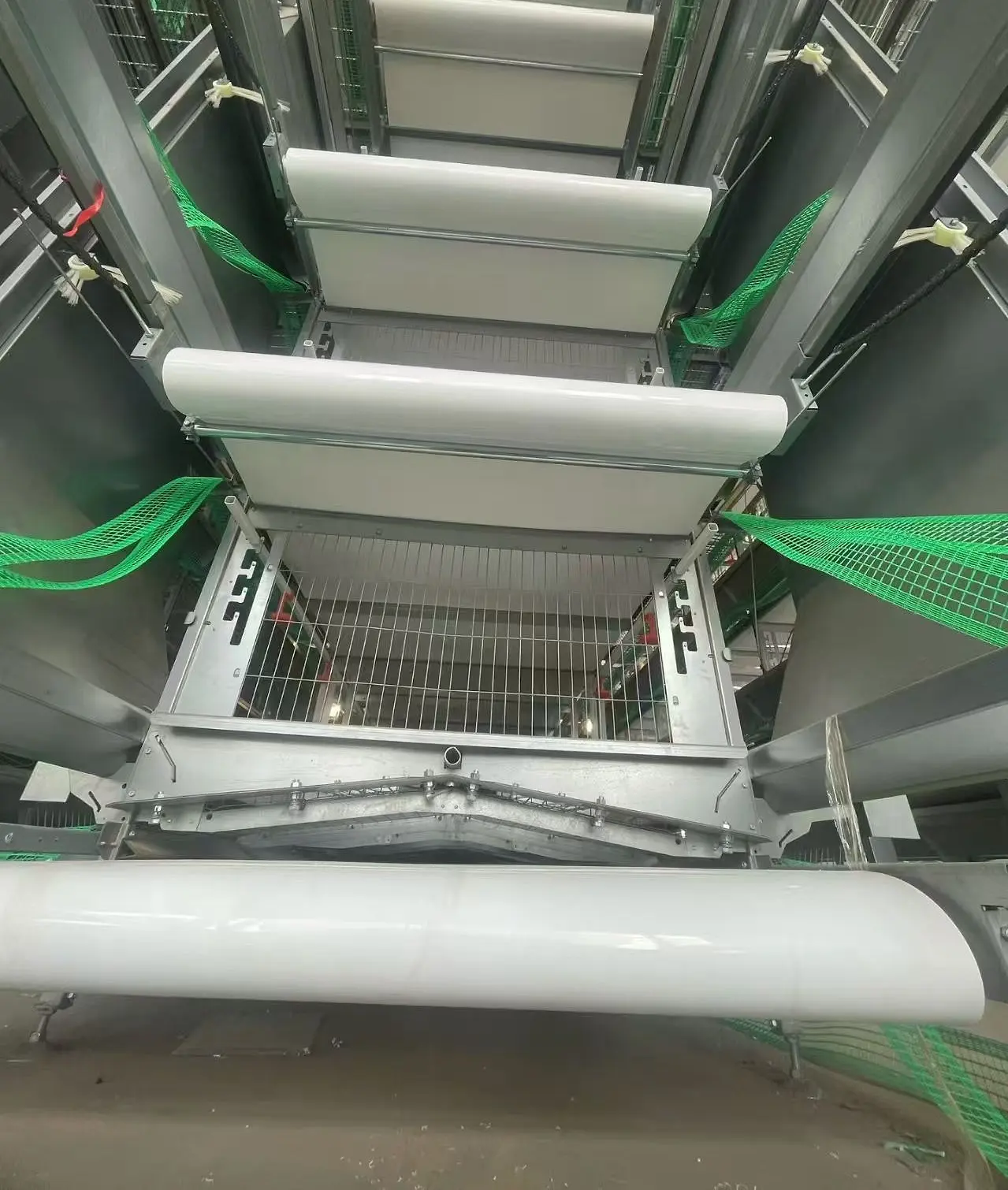
Installed
In the house
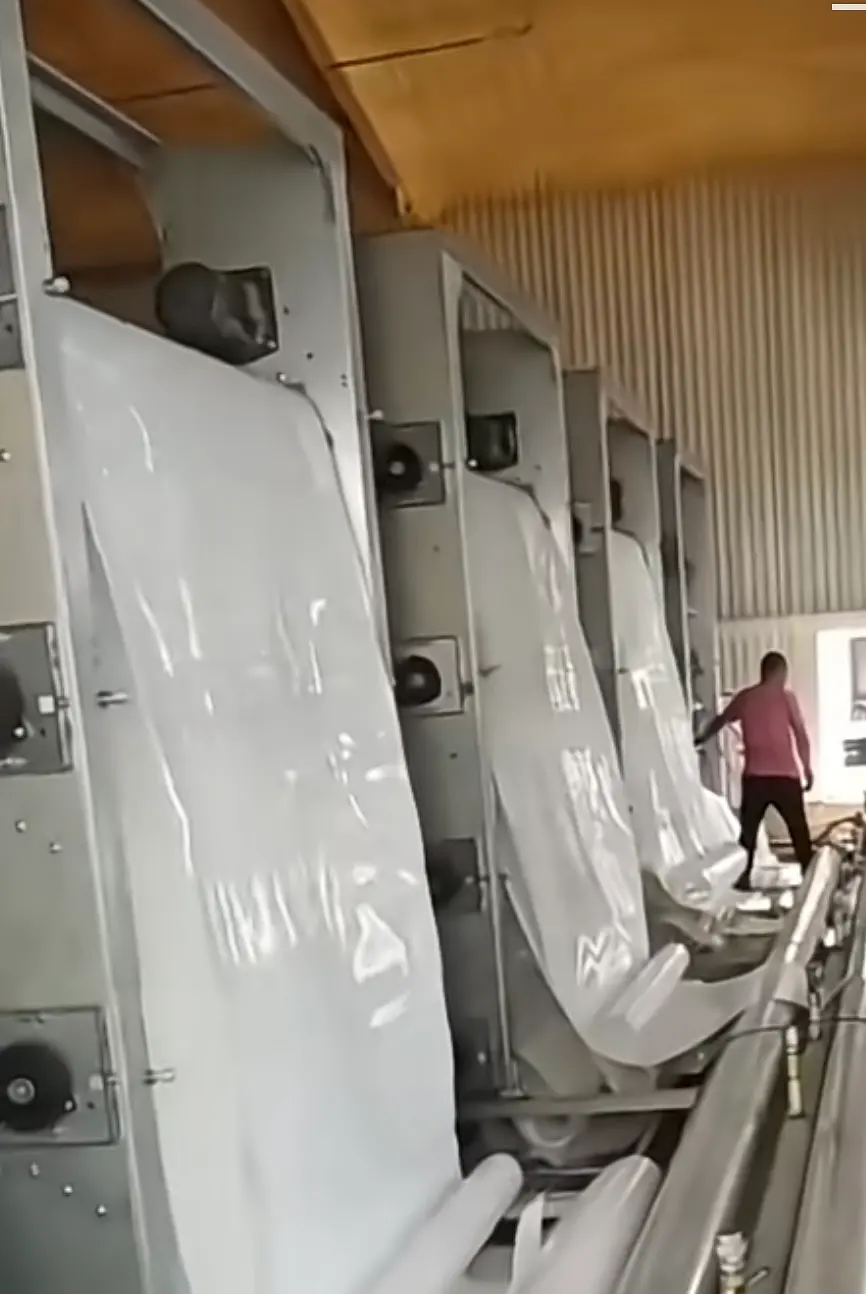
Send your house layout — we’ll specify all three sections
Next
Related products
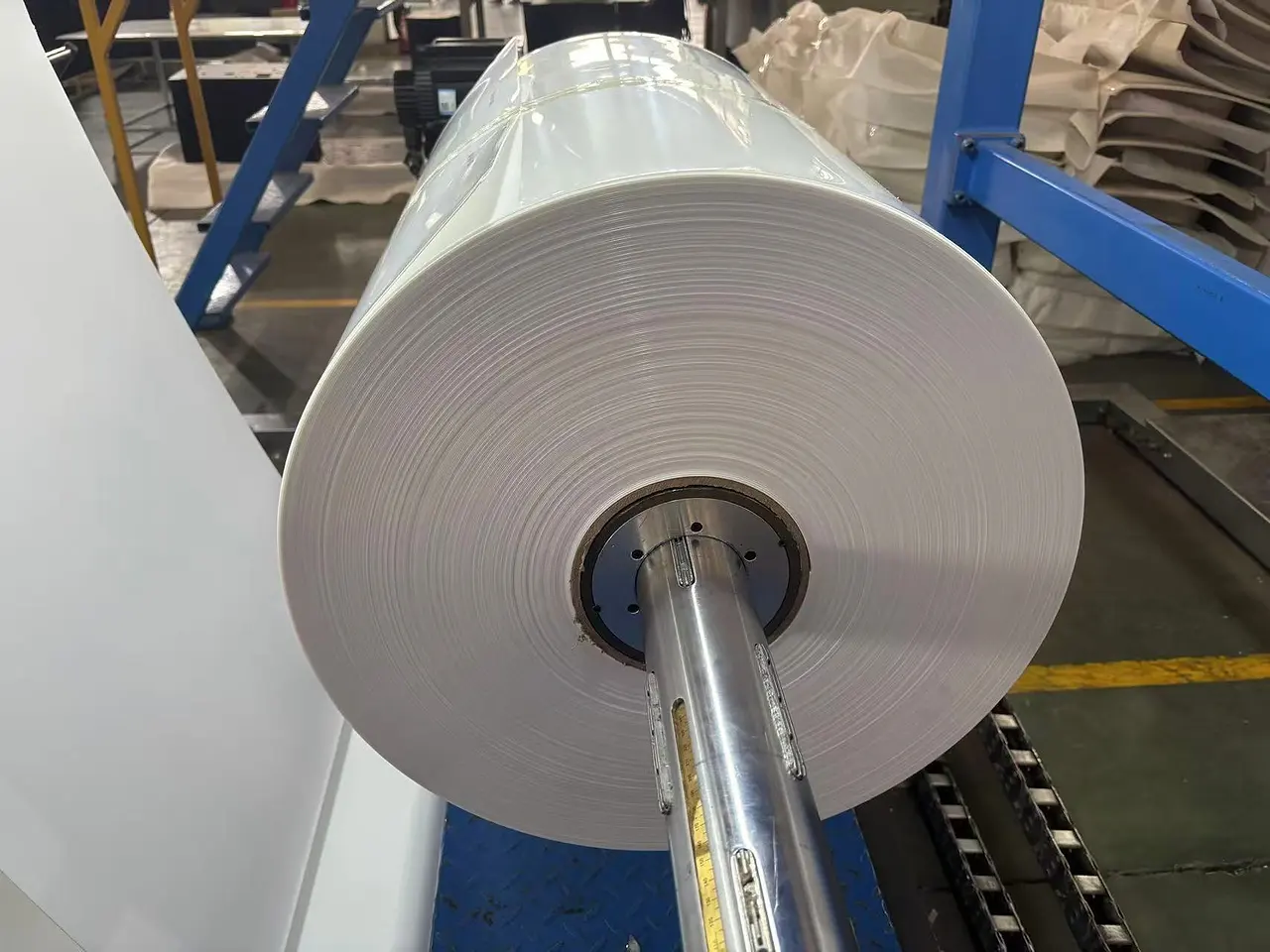
- 01 PP manure belt Polypropylene The usual choice inside stacked layer cages. Light and resistant to manure. Supplied in rolls.
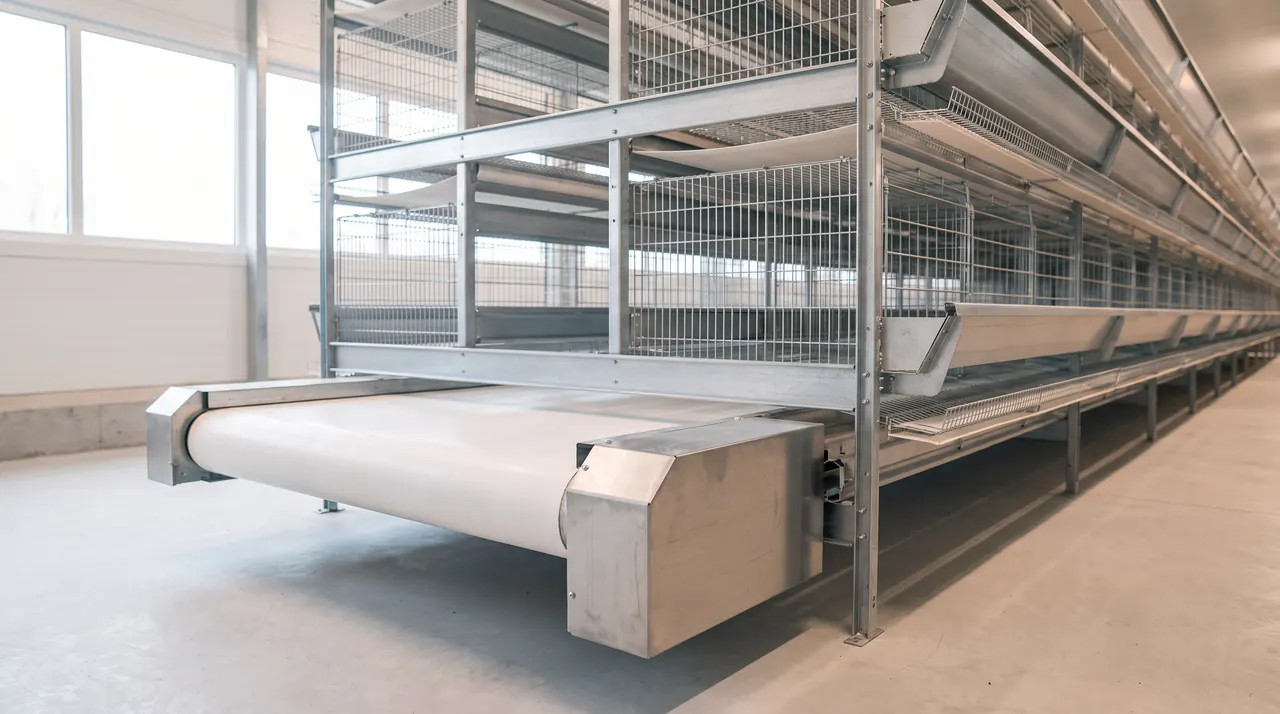
- 02 Lateral belt Row end · Cross belt Collects manure from all tiers at the row end.
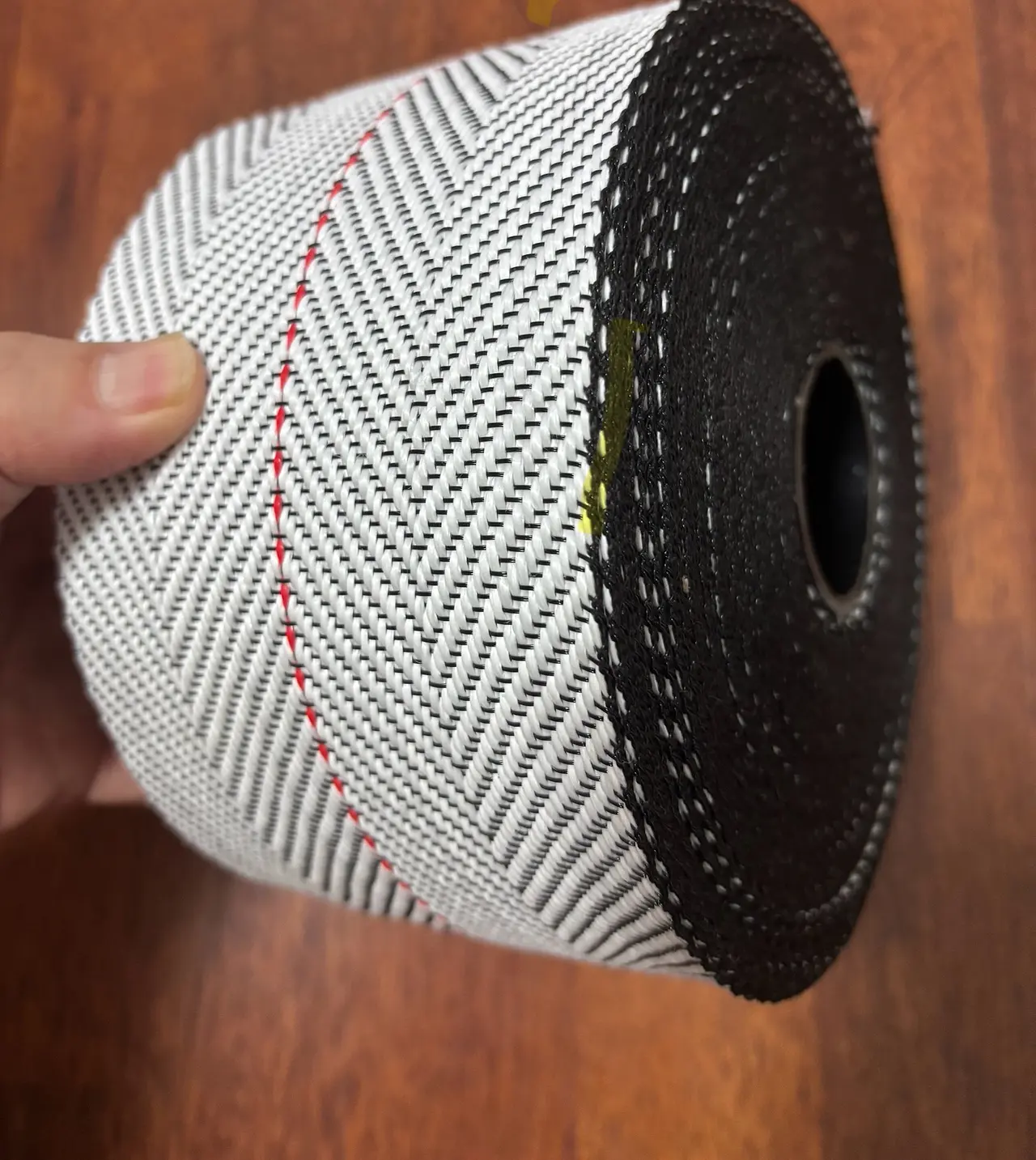
- 03 Egg collection belts Polypropylene Polypropylene egg belts matched to your cage’s egg channel.
FAQ
Questions buyers ask
At how many tiers is a manure belt required?
We know of no tier-count mandate. MARA’s 2023 guidance (advisory) calls for belt manure removal for 4–12 tier vertical systems.
How much load must a longitudinal belt carry?
The Nanjing local standard DB3201/T 1024—2020 specifies not less than 4.8 kg/m². It is a local standard, not a national figure.