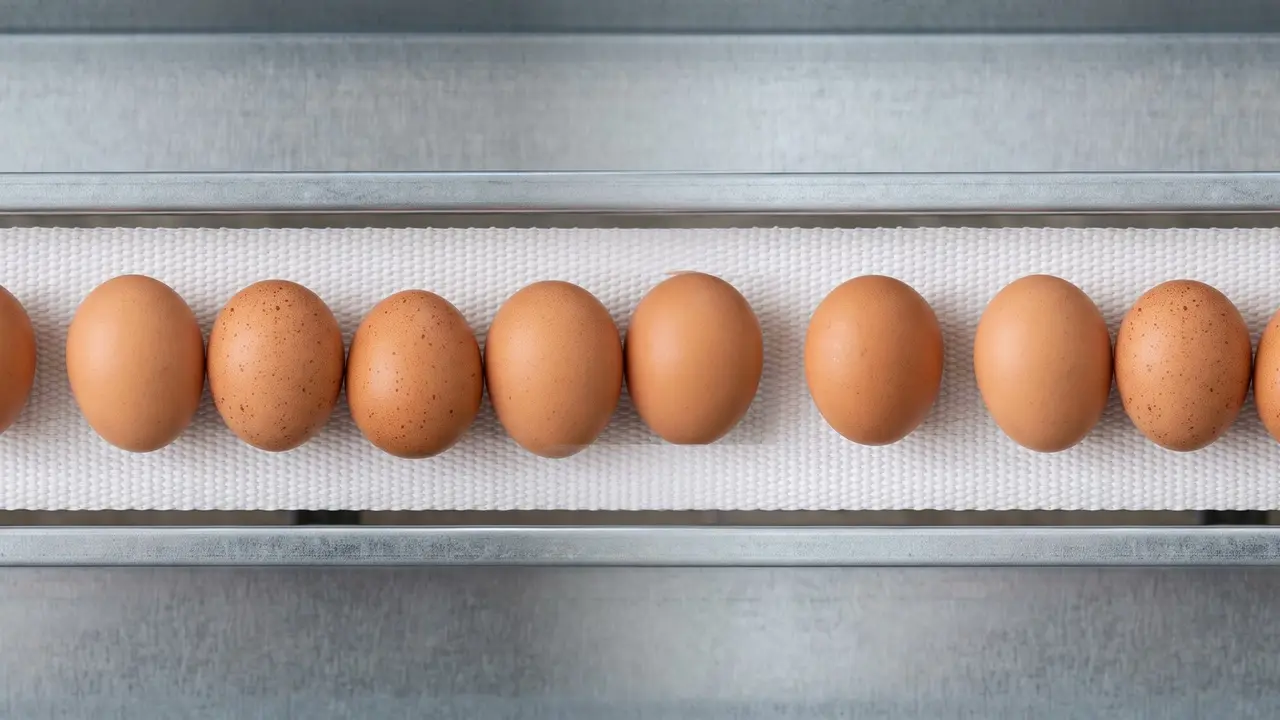
Egg collection belts
Egg collection belts
01 / Position
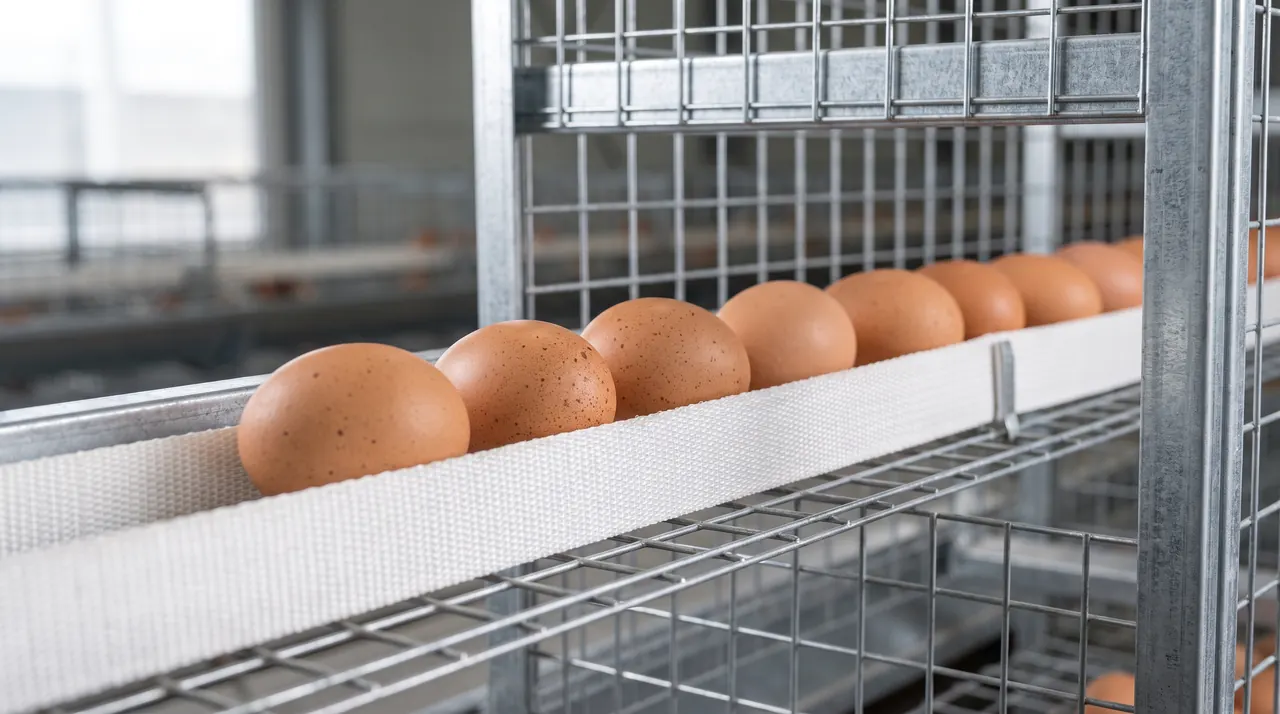
Where it sits
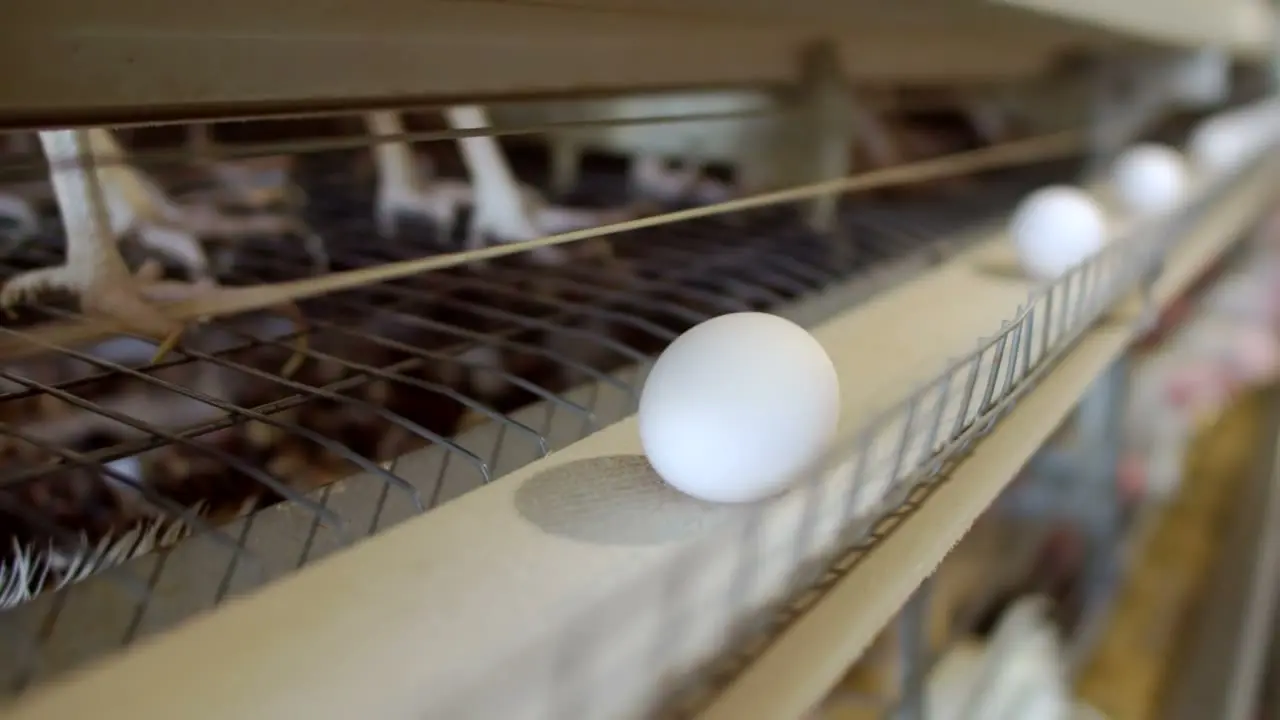
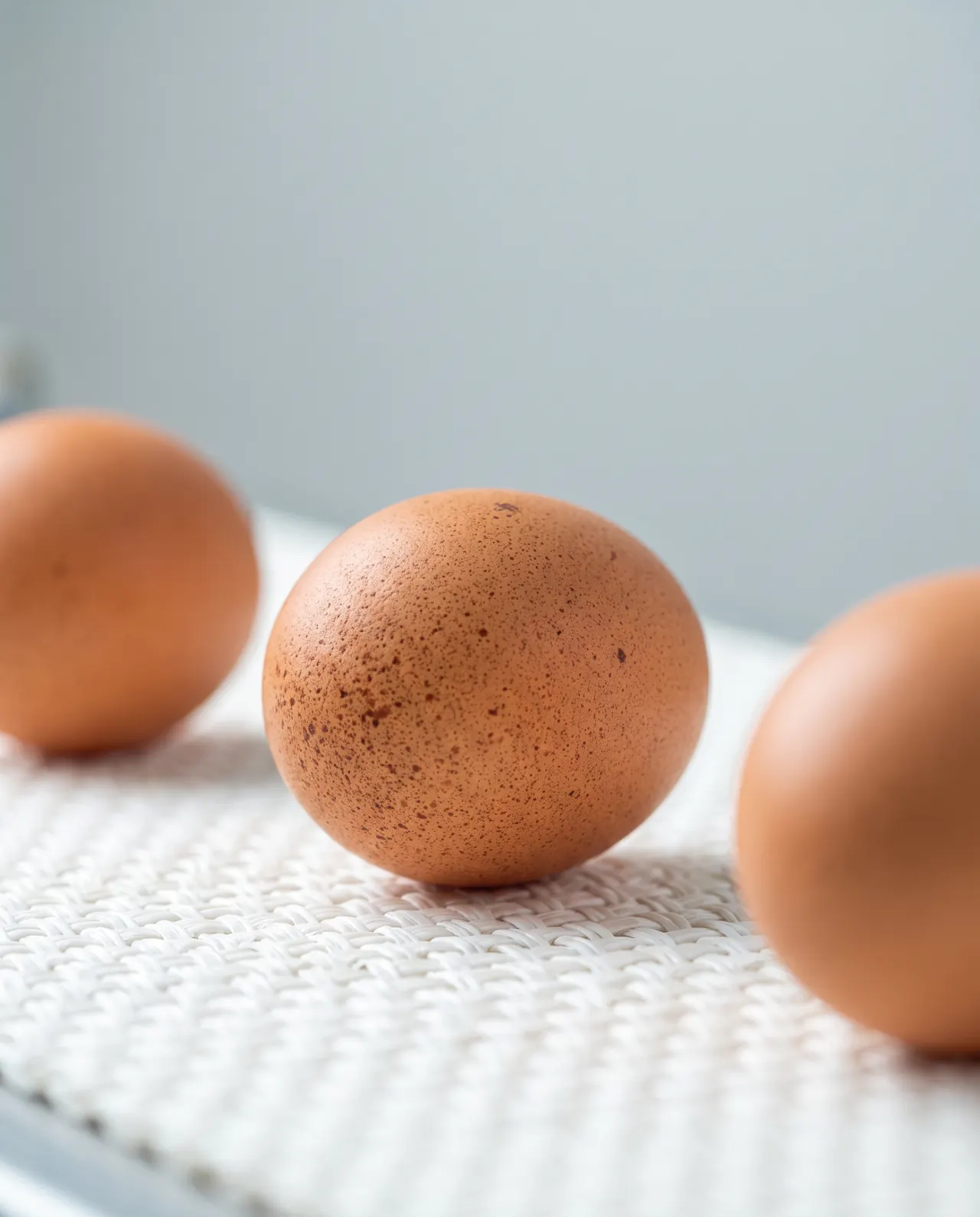
Eggs roll from the cage floor onto the egg belt on each tier, which carries them to the cage head end. From there an elevator/collector and the central egg conveyor take them to the egg room. China’s 2023 MARA guidance describes this automatic system as egg belt, egg collector, central conveyor, egg room and grading/packing.
In use
A belt runs every day of the flock. It has to fit on day one.
02 / Material & width
Material and width
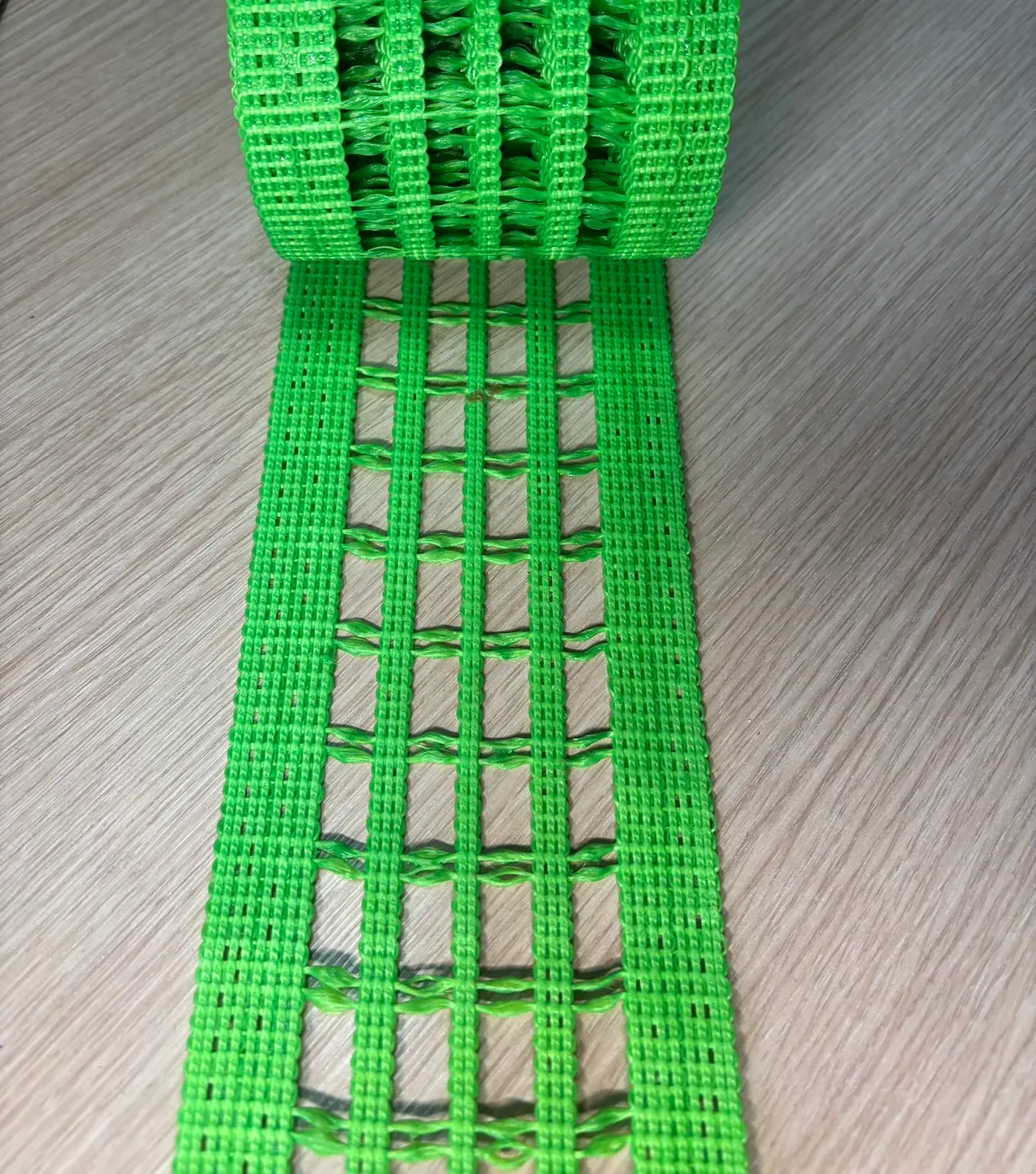
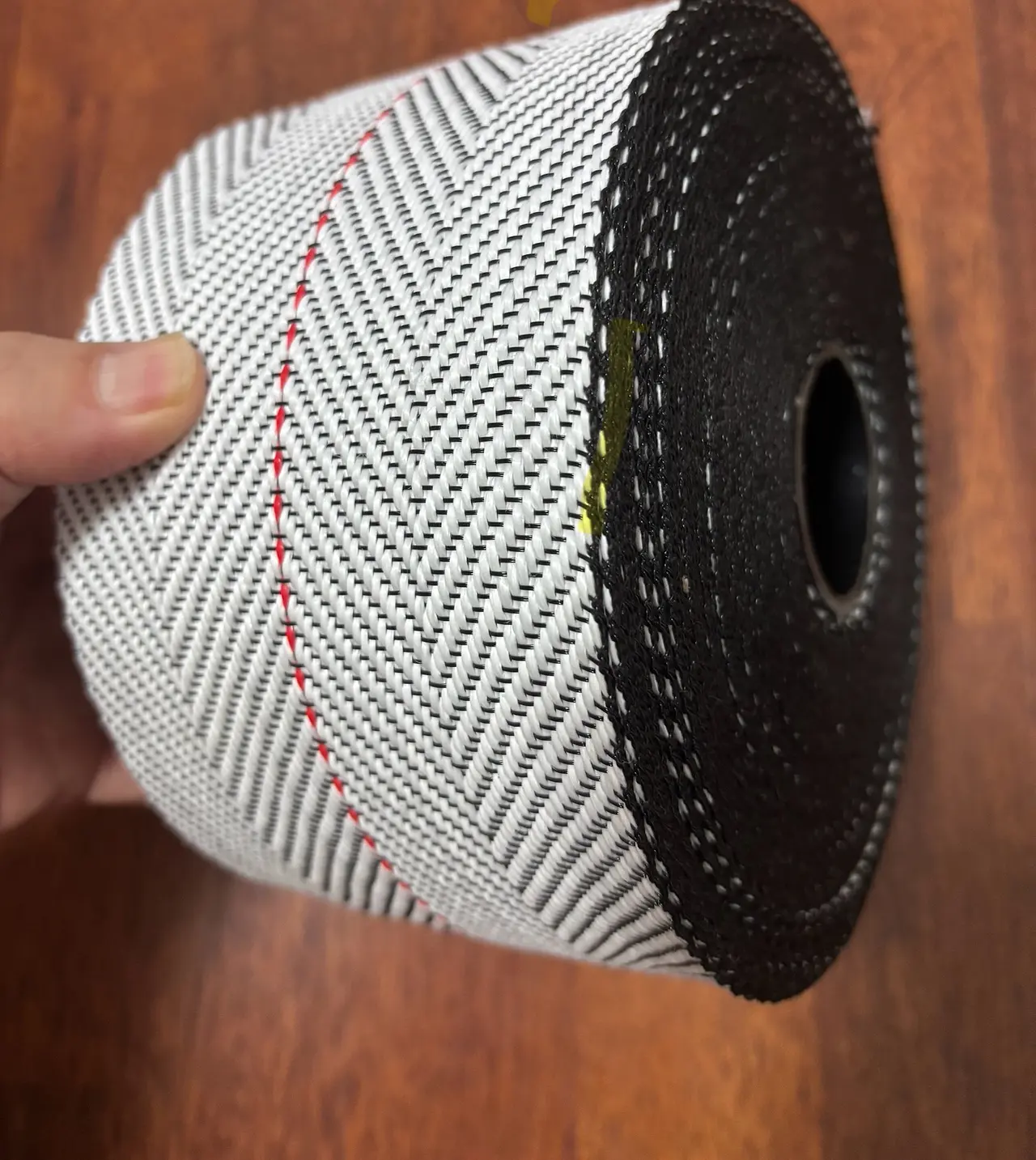
MARA 2023 specifies egg belts in high-toughness virgin polypropylene of grade PP5 or above. There is no standard width — it follows the egg channel. International catalogues list woven PP egg belts at 92, 115, 127, 150 and 205 mm, among others. Measure your egg channel or send the cage drawing.
03 / Specification
What we confirm on your order
| Parameter | SCS | Industry reference |
|---|---|---|
| Material | Polypropylene | MARA 2023: high-toughness virgin PP, grade PP5+ |
| Construction | Confirmed per order | Woven and perforated types exist |
| Width | To your egg channel | 92–205 mm in international catalogues |
| Joint | Confirmed per order | Sewn joint with ≥10 cm overlap (T/CAAA 152—2025 draft) |
Other widths, thicknesses and lengths made to order — send your cage drawing.Request specification
Close up
Quote an egg belt
Next
Related products
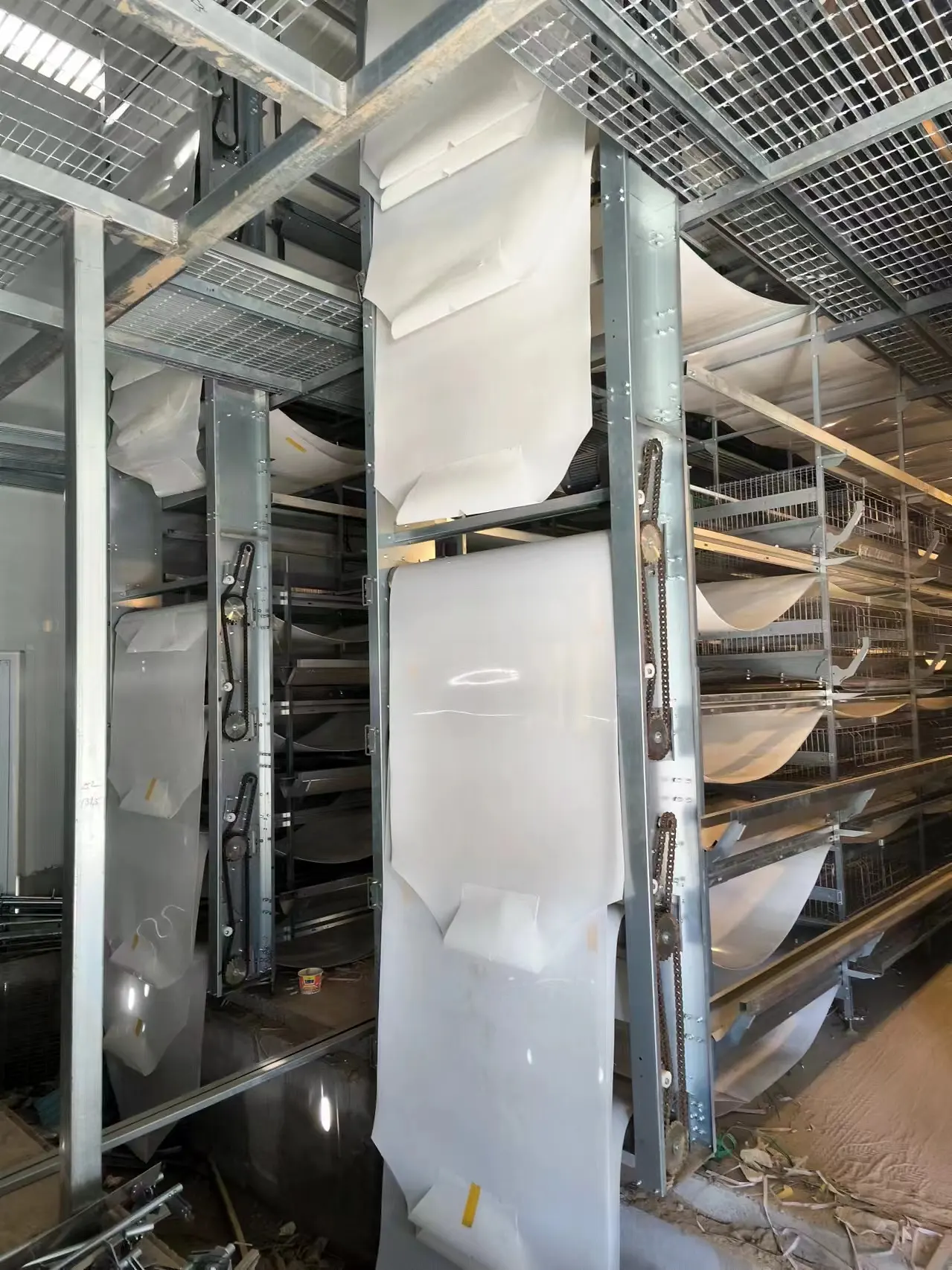
- 01 Manure belts PP · PVC · Rubber In-cage PP belts, PVC and rubber closed-loop belts, lateral and inclined belts for the full manure line.
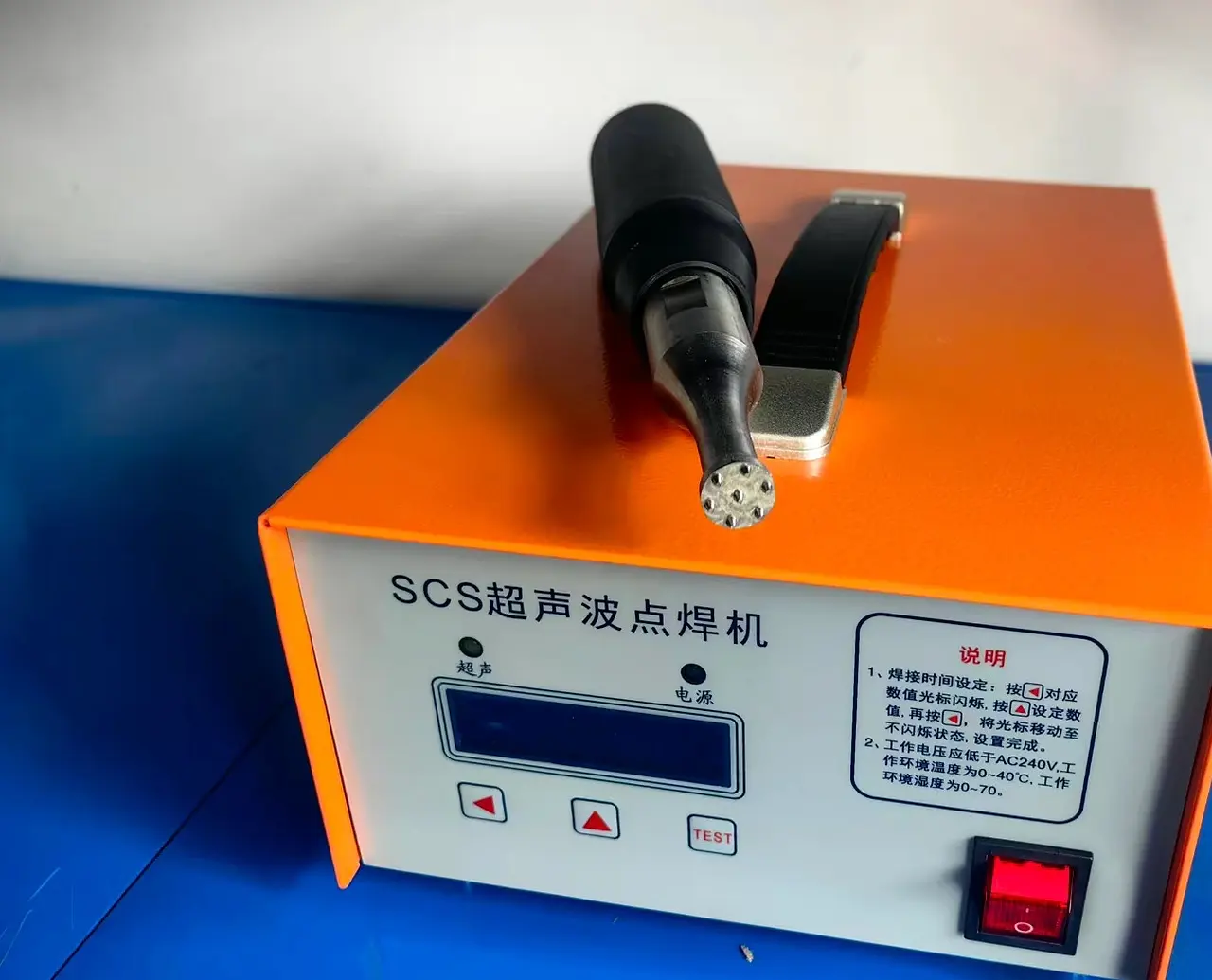
- 02 Ultrasonic belt welder Equipment · Our own make Ultrasonic welding equipment for making belt joints.
- 03 Accessories Parts Parts around the belt: rollers, tensioners, scrapers, tracking devices — ask us what fits your system.
FAQ
Questions buyers ask
Can egg belts and manure belts be interchanged?
No. Both are polypropylene, but they carry different loads, are very different widths and use different joints (egg belts are usually sewn; manure belts welded).
What width of egg belt do I need?
The width of your cage’s egg channel. Measure it or send the cage drawing.
What shortens egg belt life?
Eggs left too long on the belt, cleaning agents or disinfectants on the belt, and rodents are commonly cited causes.