Welding equipment
Ultrasonic belt welder
01 / Principle
Why ultrasonic for PP
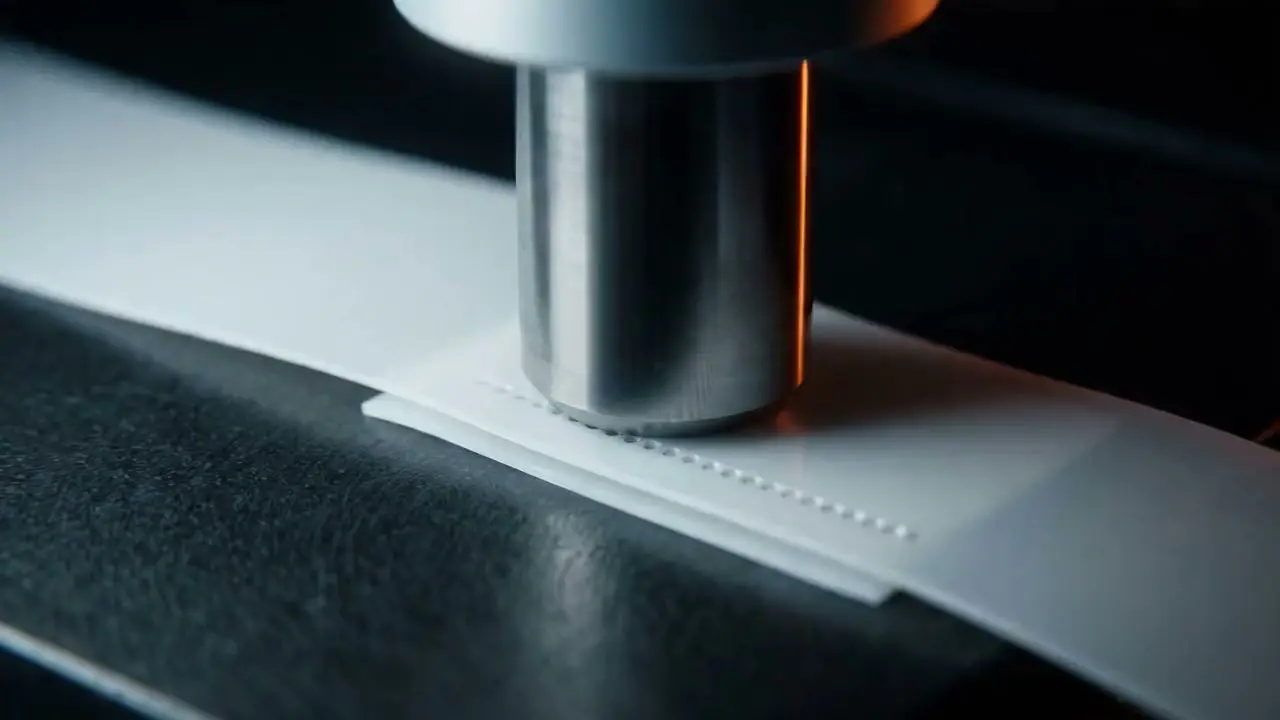
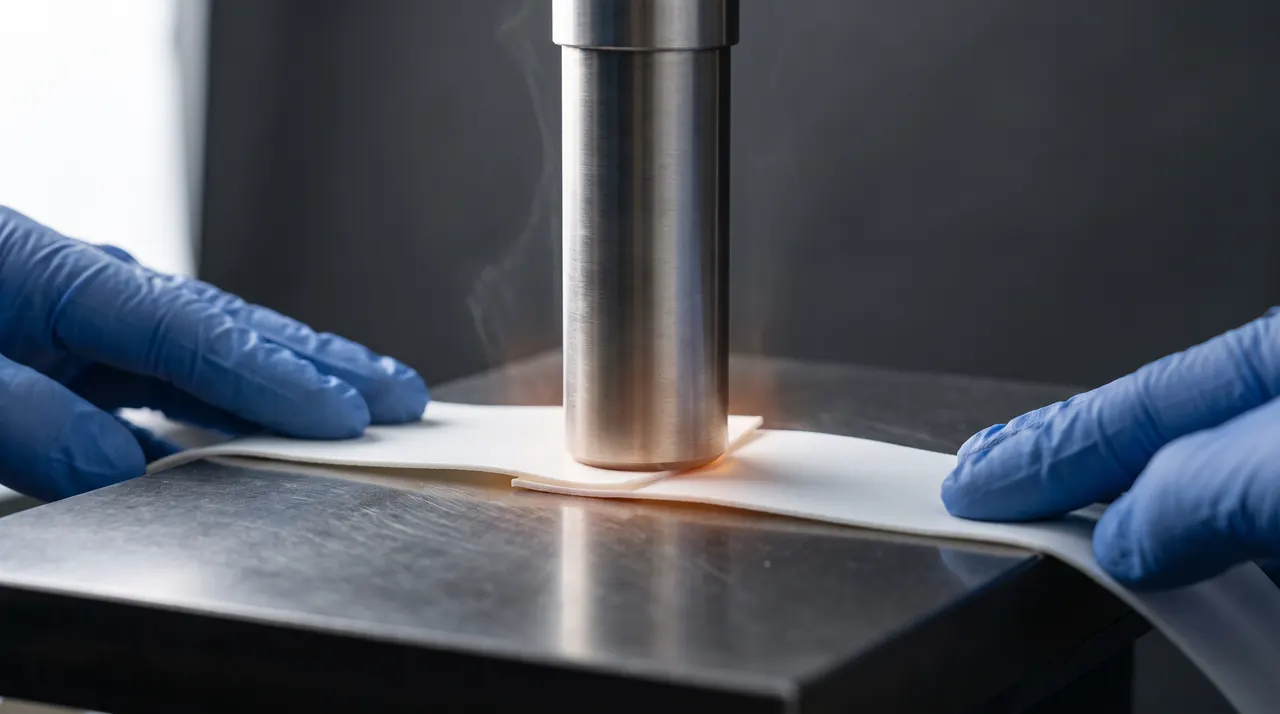
PP is non-polar, so conventional RF welding generally does not work on it. An ultrasonic horn vibrates at high frequency (commonly 20 kHz or 40 kHz); friction at the interface melts the plastic, which fuses as it cools. Weld like with like — PP to PP.
Our welder
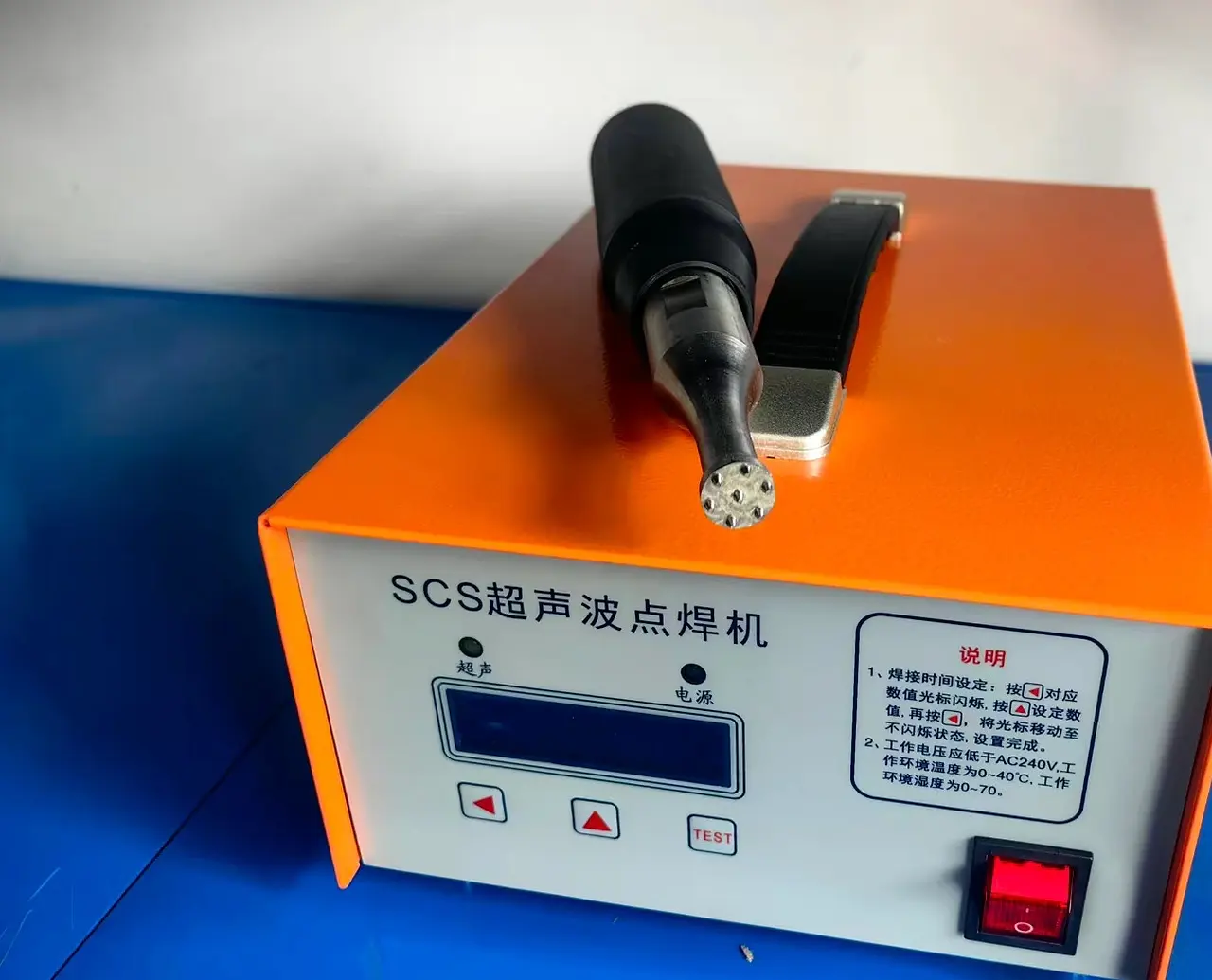
Made by SCS
Our own welding equipment for joining polypropylene belts into a closed loop. Model, frequency and power supply are confirmed on your quotation.
02 / Methods
Welding methods compared
| Method | Suits |
|---|---|
| Ultrasonic | PP manure belts |
| Hot-plate | PP manure belts |
| RF / high-frequency | PVC and other polar plastics; generally not PP |
| Hot-air | Patching small holes and edges, not main joints |
03 / Joint check
What a good joint looks like
Weld at ≥10 °C ambient; never below 0 °C (T/CAAA 152—2025 draft). Let the joint cool before tensioning.
- Flat weld face
- Even weld points
- Sealed edges all round
- No gaps or burrs
- Square to the belt — a skewed joint makes the belt track off
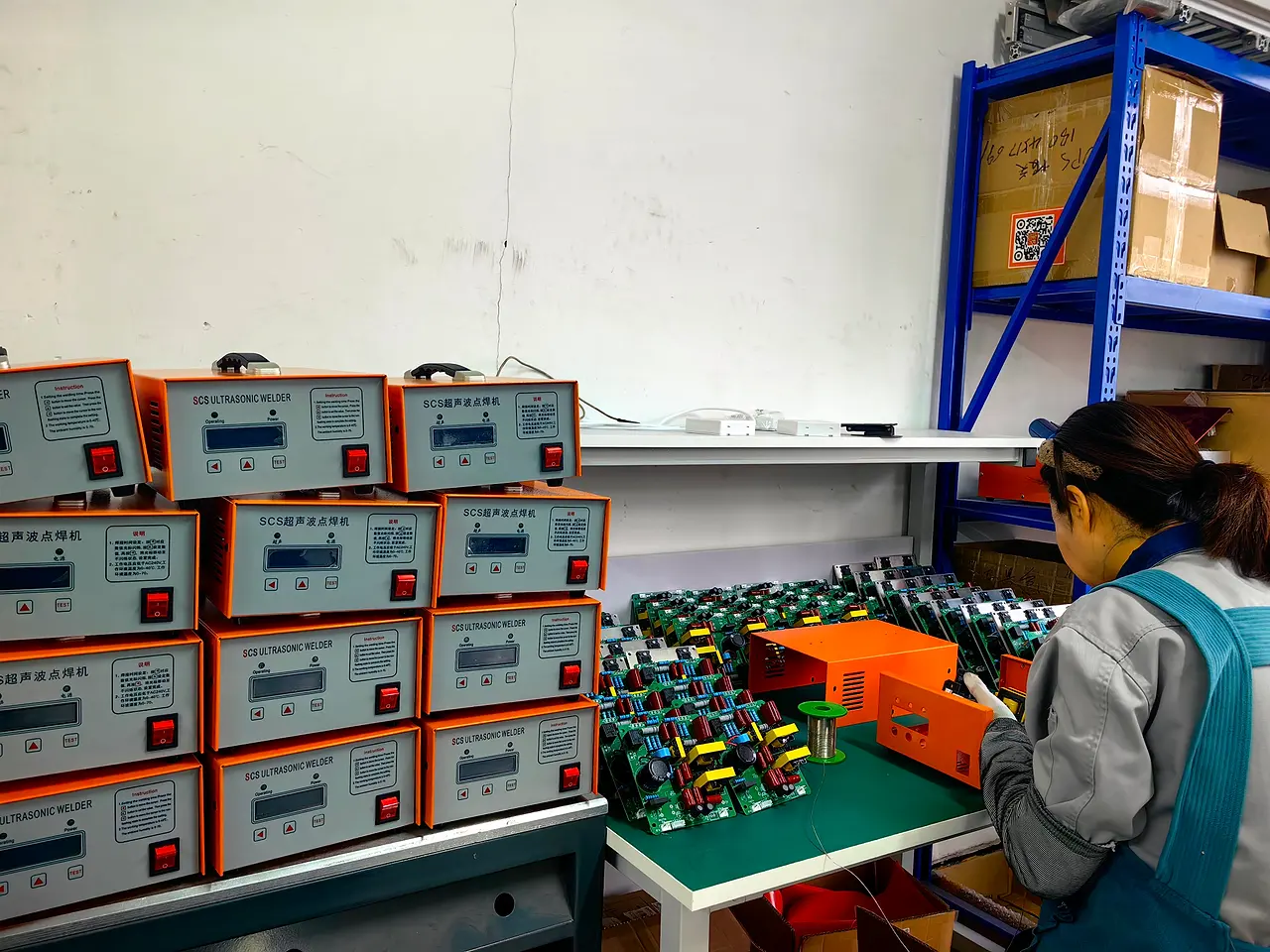
Ask about the welder — model, frequency and power supply are confirmed on your quotation
Next
Related products
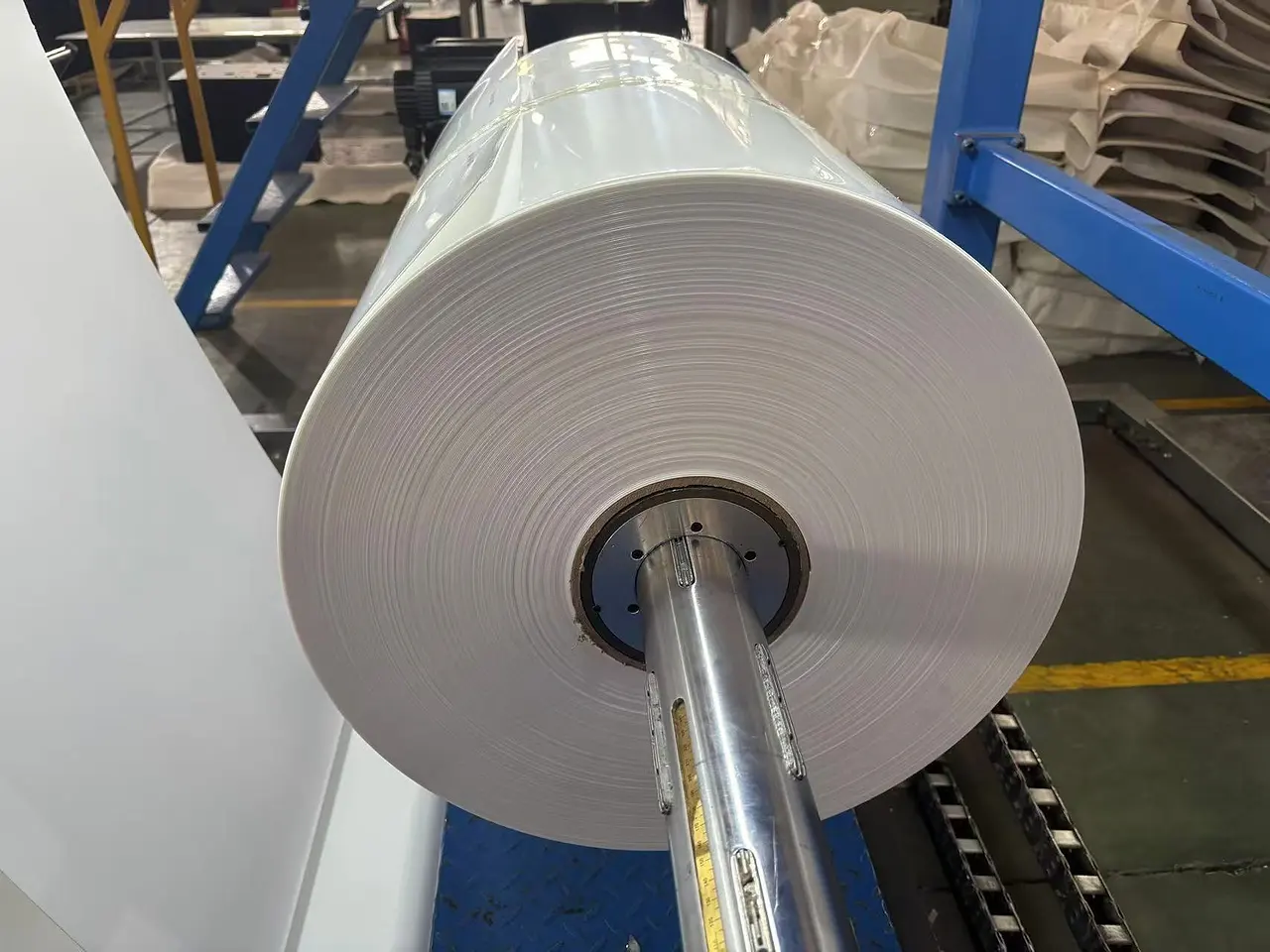
- 01 PP manure belt Polypropylene The usual choice inside stacked layer cages. Light and resistant to manure. Supplied in rolls.
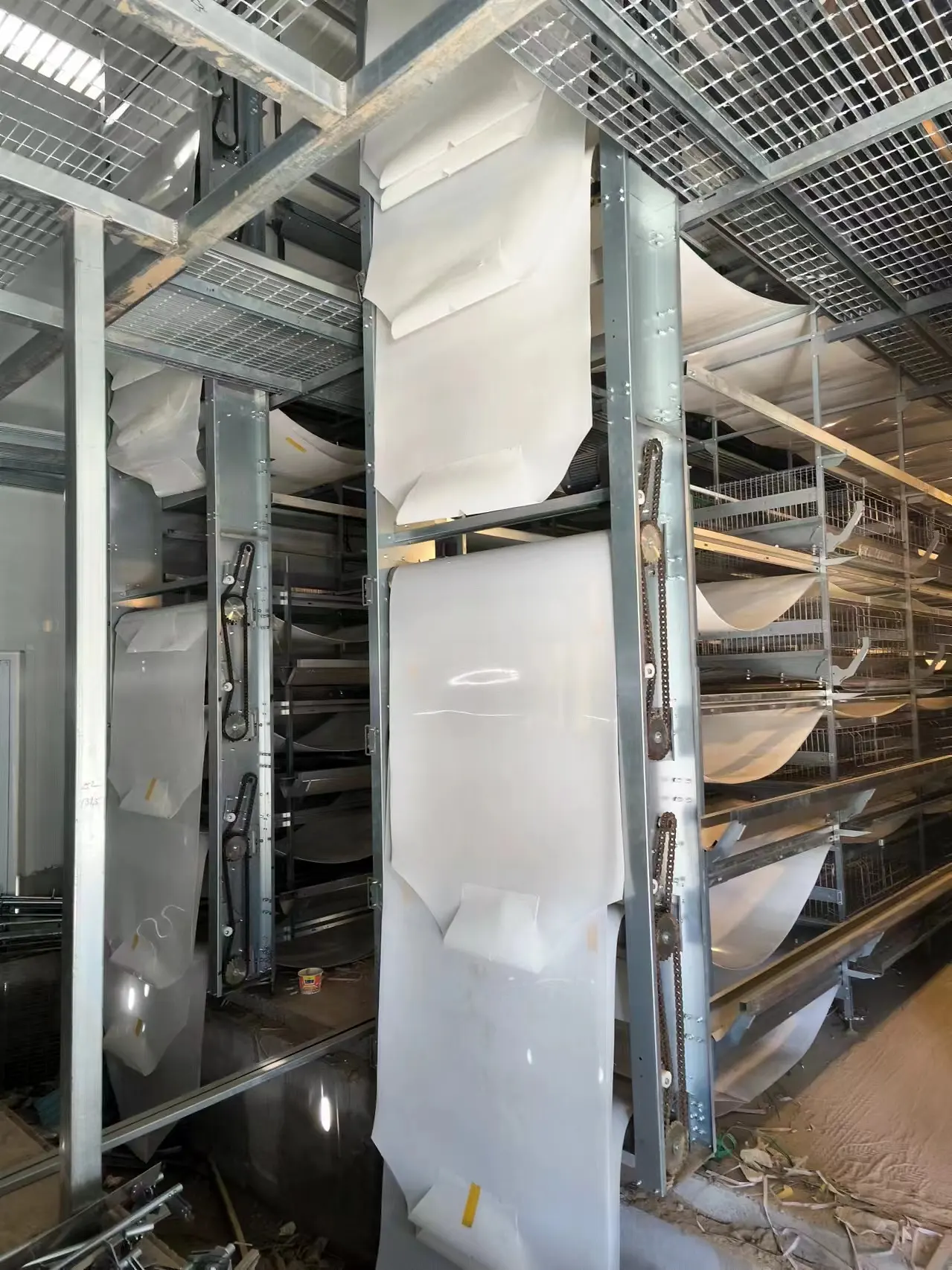
- 02 Manure belts PP · PVC · Rubber In-cage PP belts, PVC and rubber closed-loop belts, lateral and inclined belts for the full manure line.
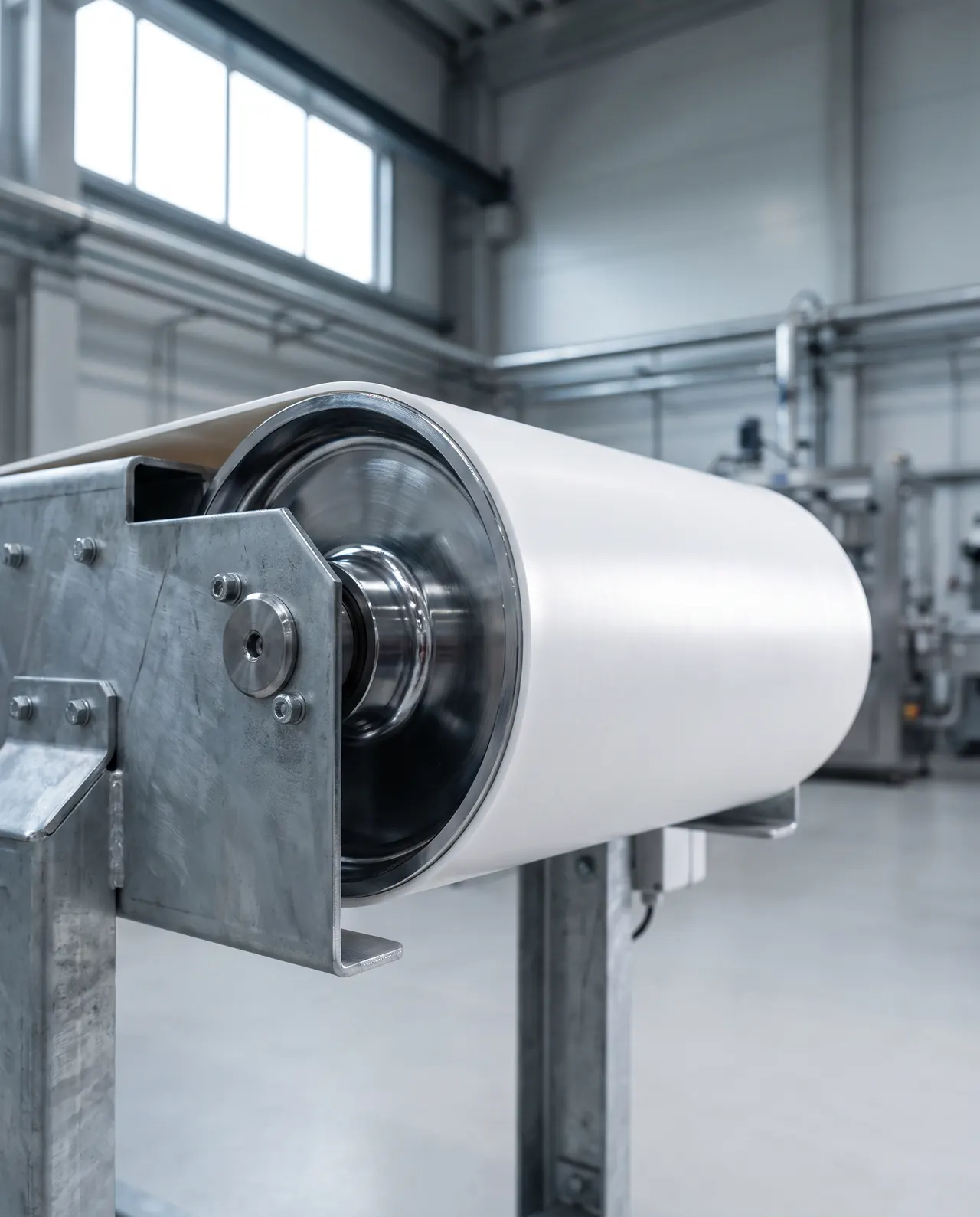
- 03 Accessories Parts Parts around the belt: rollers, tensioners, scrapers, tracking devices — ask us what fits your system.
FAQ
Questions buyers ask
Can one welder join any belt?
No. The method must match the material: ultrasonic or hot-plate for PP, RF for PVC. PP and PE cannot be reliably welded together.
What does “20 k” or “40 k” mean?
The ultrasonic frequency in kHz — 20,000 or 40,000 vibrations per second. Test-weld your own belt to confirm.
Weld at the factory or on the farm?
In-cage belts are usually threaded through the cage and welded on site, so a welder that can be carried into the house is useful.