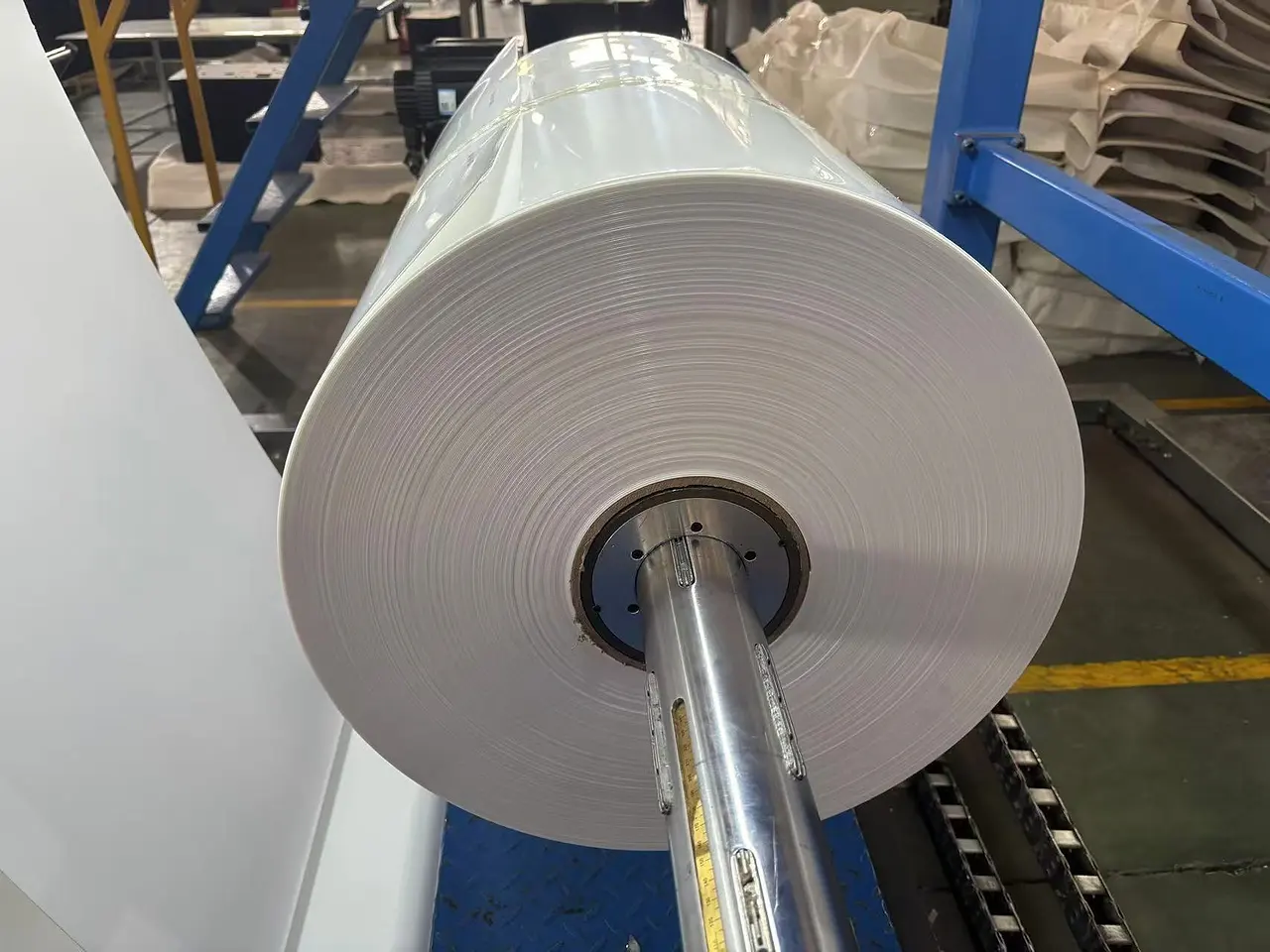
Manure belts · PP
PP manure belt
01 / Position
Where it goes
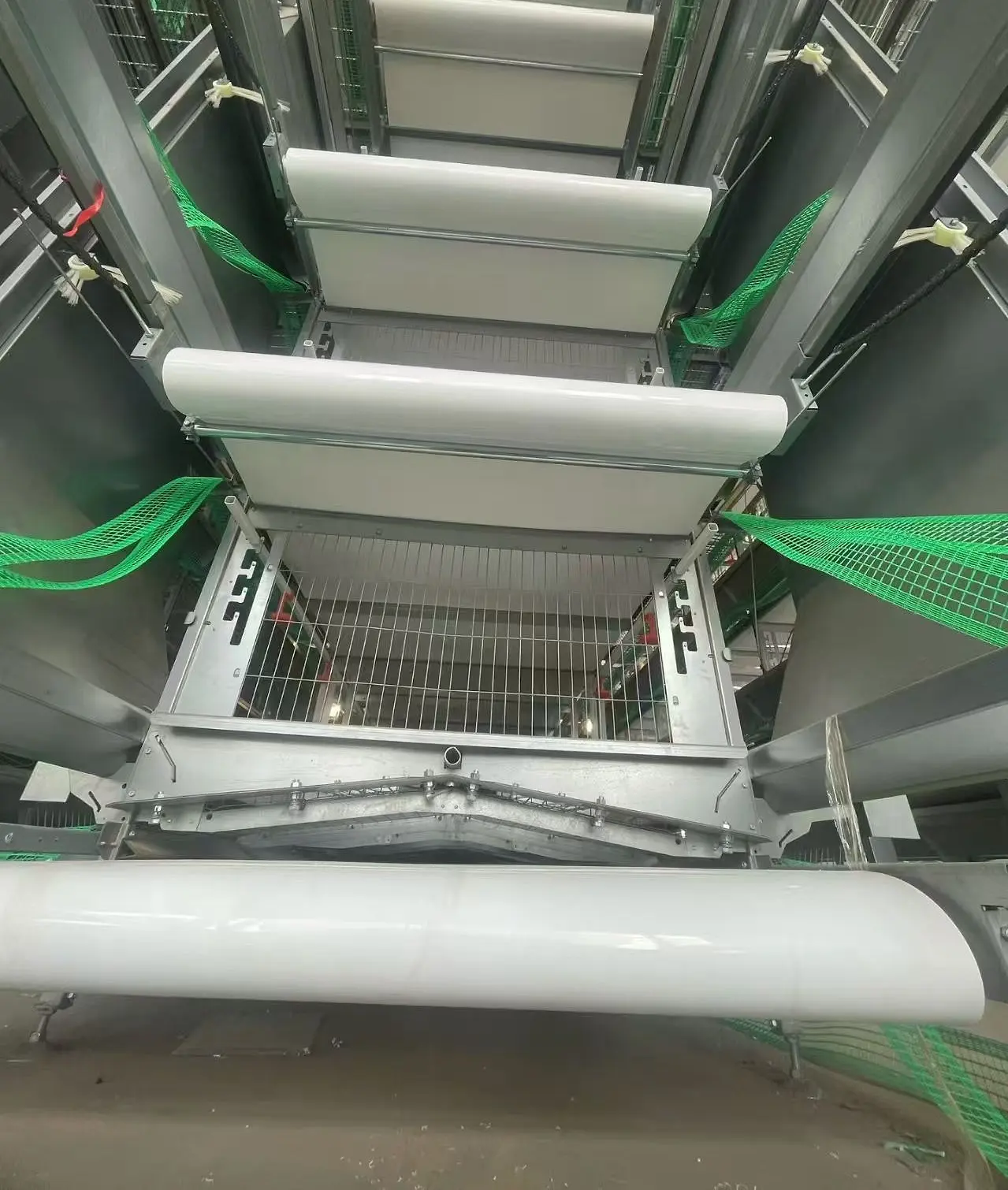
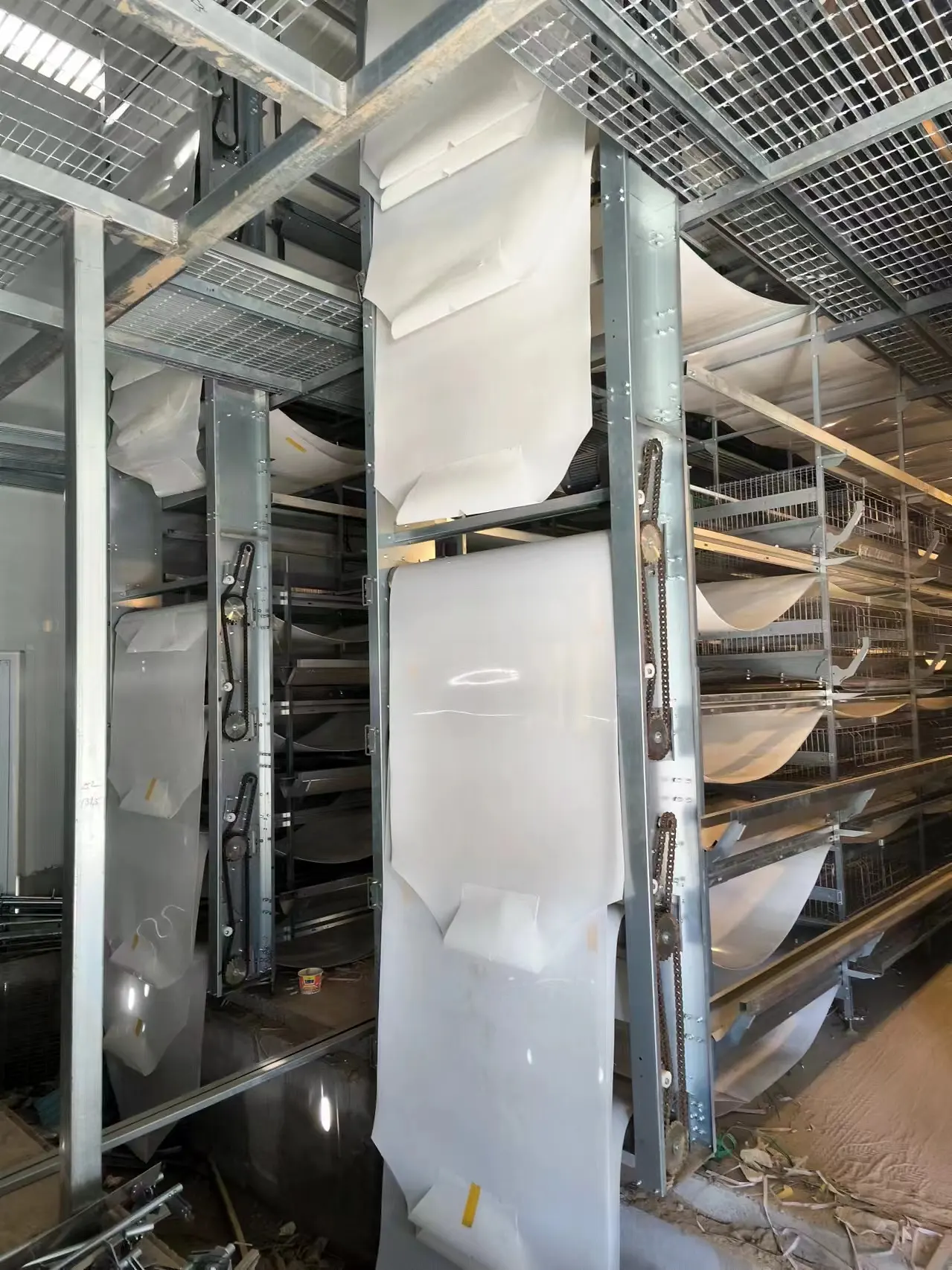
One belt per tier, running the full length of the row beneath the cage floor. At the drive end, a scraper drops the manure onto the lateral belt. A closed loop: the upper run carries manure, the lower run returns.
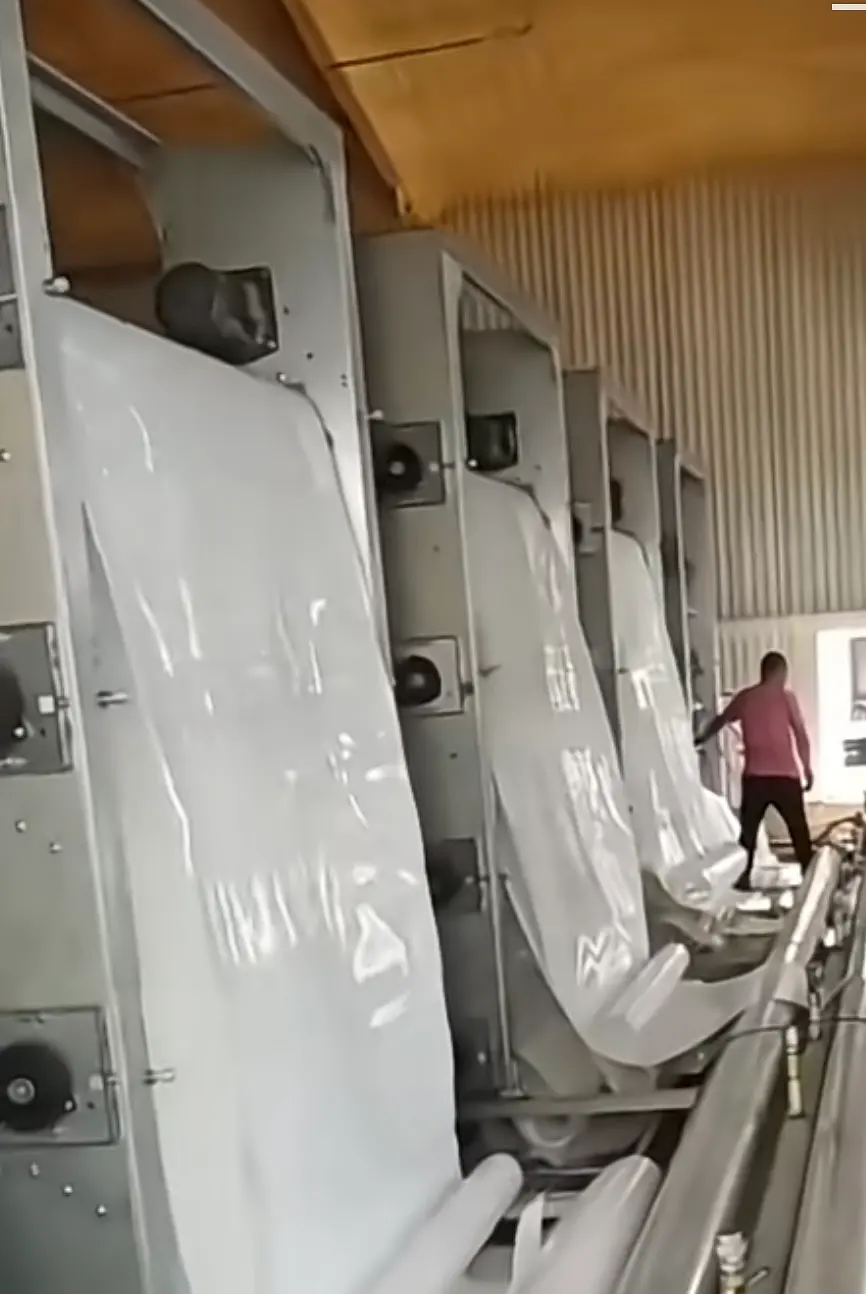
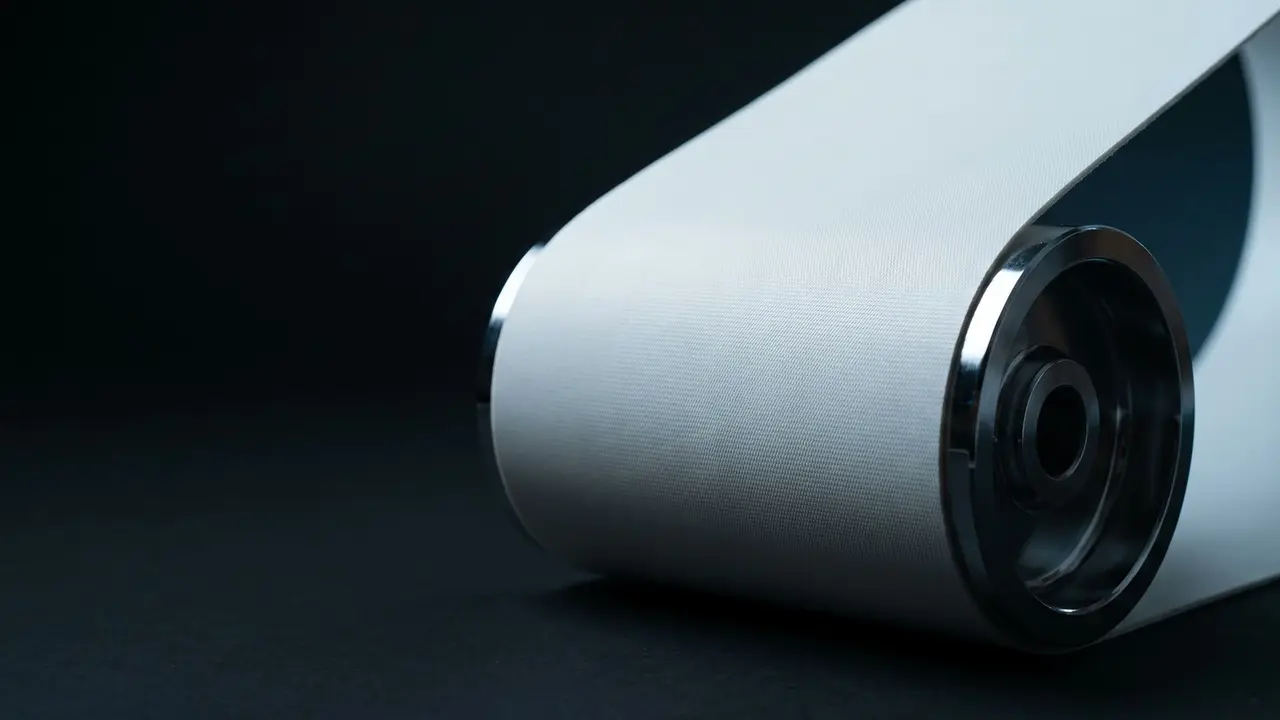
PP belt
Lighter than water. Resistant to the acids and alkalis in manure.
02 / Material
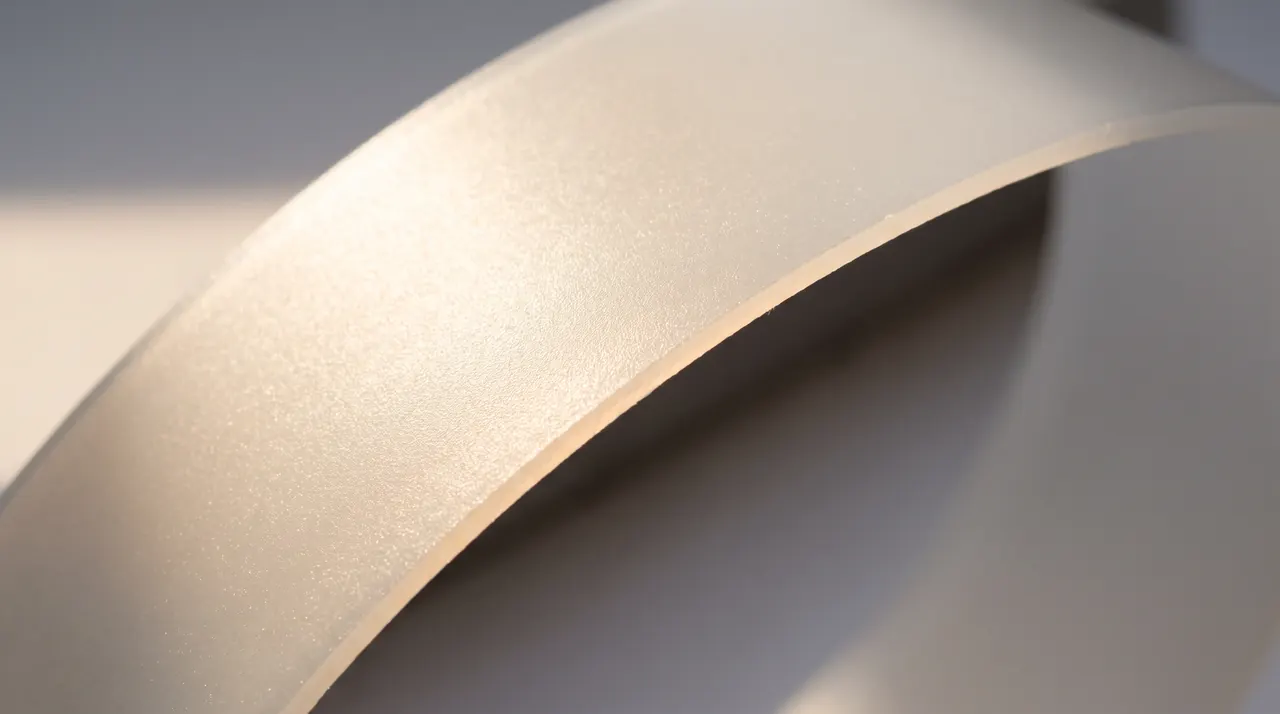
Why polypropylene
- Light — PP density is about 0.90–0.91 g/cm³, lighter than water.
- Resistant to the non-oxidising acids and alkalis in manure.
- Recommended material: China’s 2023 MARA technical guidance for stacked layer housing states manure conveyor belts should preferably use virgin polypropylene with anti-static, anti-ageing and anti-deviation properties.
03 / Specification
What we confirm on your order
| Parameter | SCS | Industry reference |
|---|---|---|
| Material | White polypropylene | MARA 2023: virgin PP preferred |
| Thickness | Specified per order | Stacked layer cages commonly use 1.0 or 1.2 mm; international catalogues list 0.8 / 1.0 / 1.2 / 1.5 mm |
| Width | To your cage drawing | No universal width |
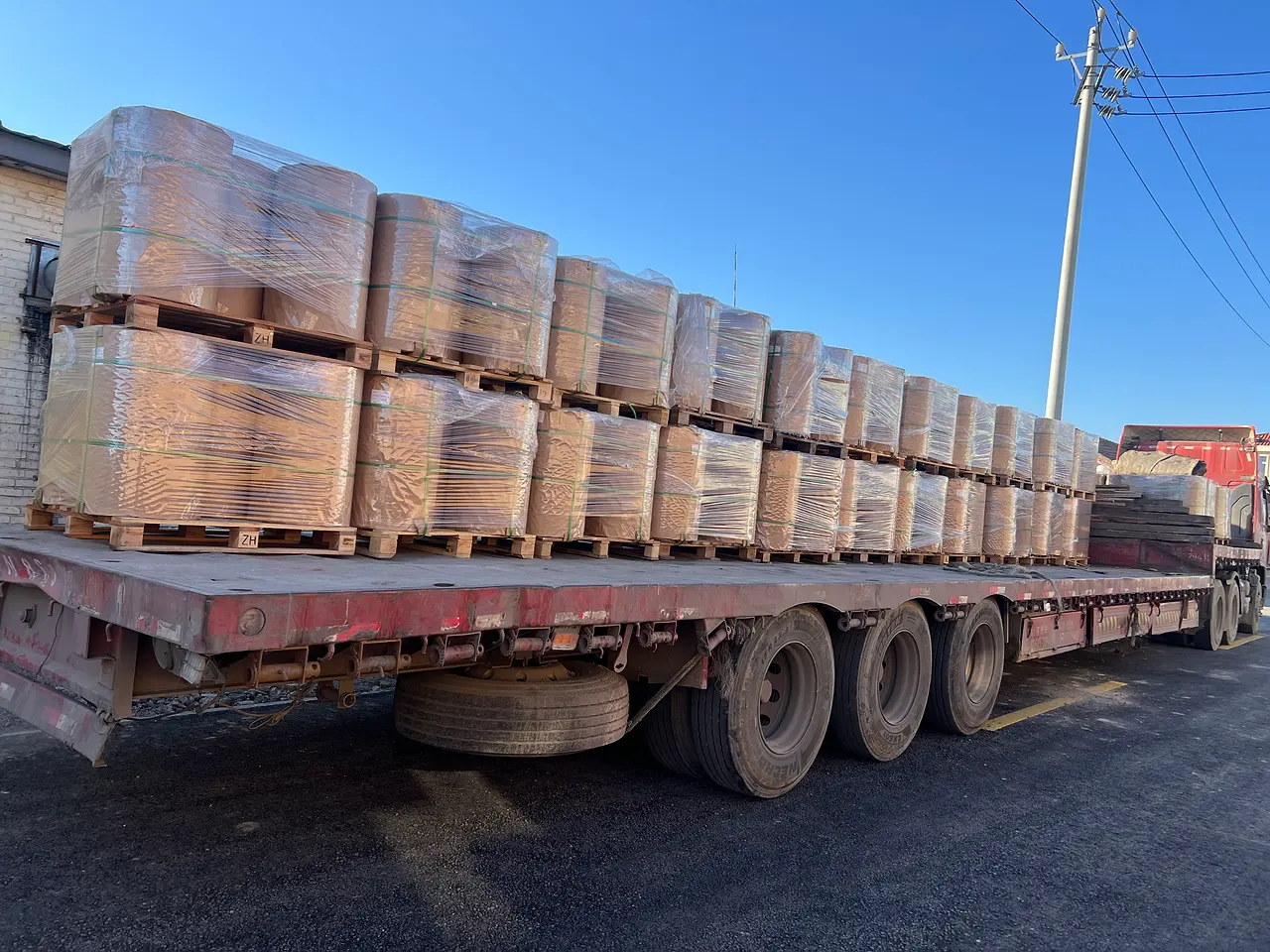
| Supply form | Rolls | In-cage belts are commonly supplied in rolls and welded into a loop on site |
| Joint | Ultrasonic or hot-plate weld | PP is generally unsuitable for RF welding |
Other widths, thicknesses and lengths made to order — send your cage drawing.Request specification
04 / Installation
Installation notes
- Let new belt acclimatise in the house for 12 hours before installing.
- Weld joints in a suitable ambient temperature: the T/CAAA 152—2025 draft calls for ≥10 °C and no welding below 0 °C.
- Tension evenly on both sides — only until the belt stops slipping; over-tension stretches the belt and stops it tracking.
- Run empty before birds go in.
- Lock out power before adjusting tension, cleaning rollers or making a joint.
From our workshop
PP belt, from roll to cage
Send your cage drawing for a PP belt quote
Next
Related products
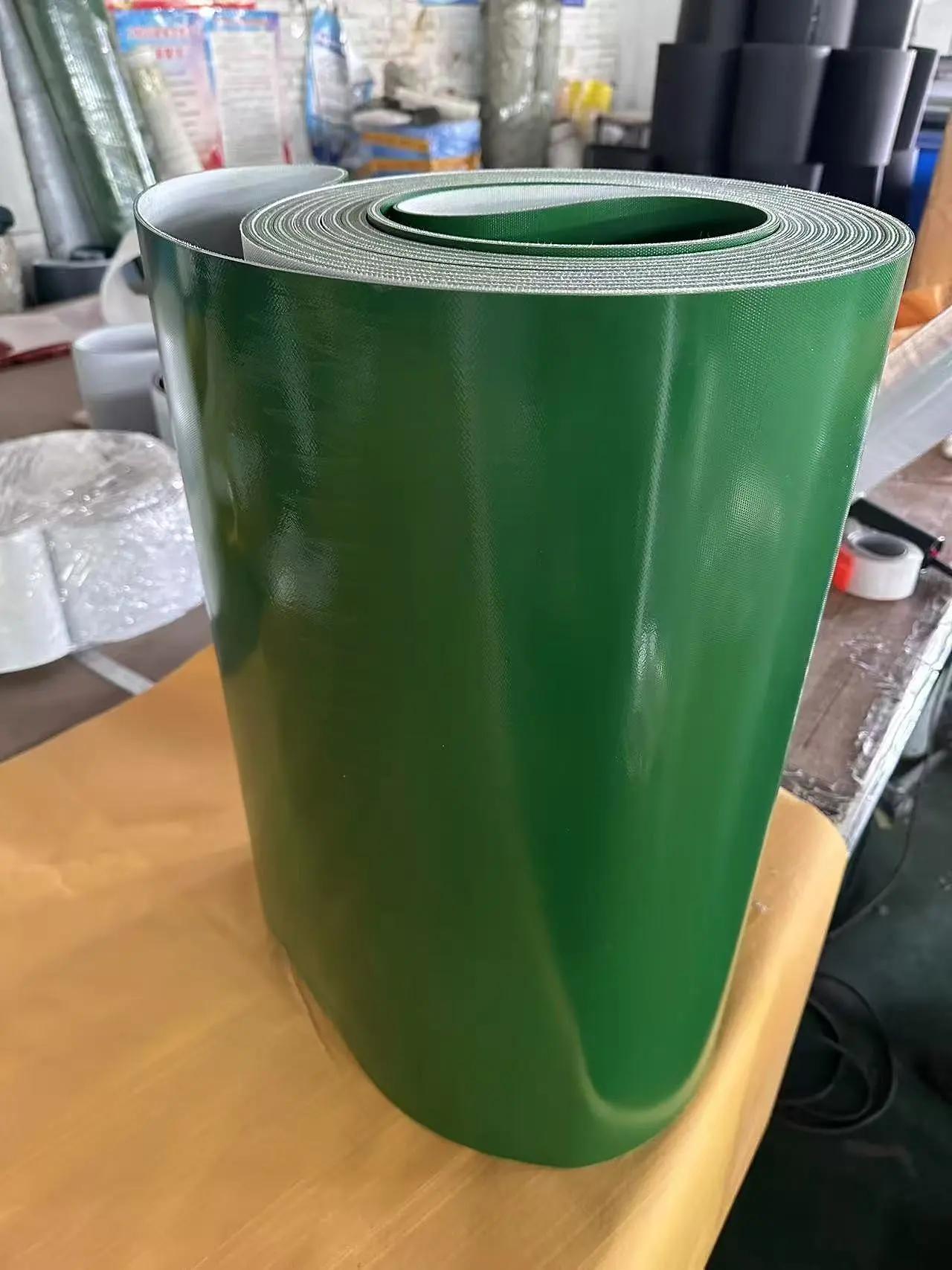
- 01 PVC manure belt PVC A green PVC belt that can be delivered joined into a closed loop. Suited to RF welding.
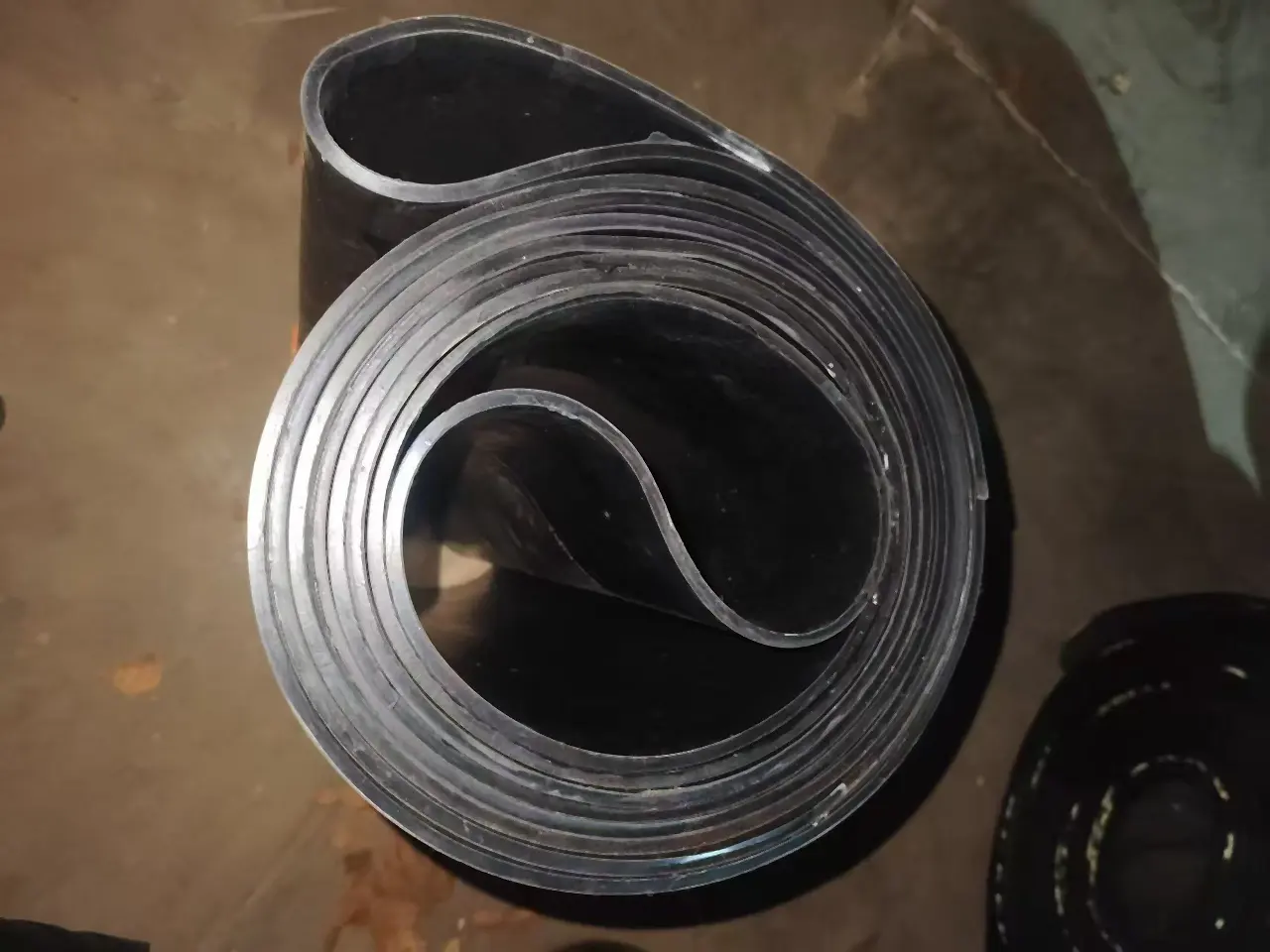
- 02 Rubber manure belt Rubber A closed-loop rubber belt, commonly used outside the cage on lateral and inclined sections.
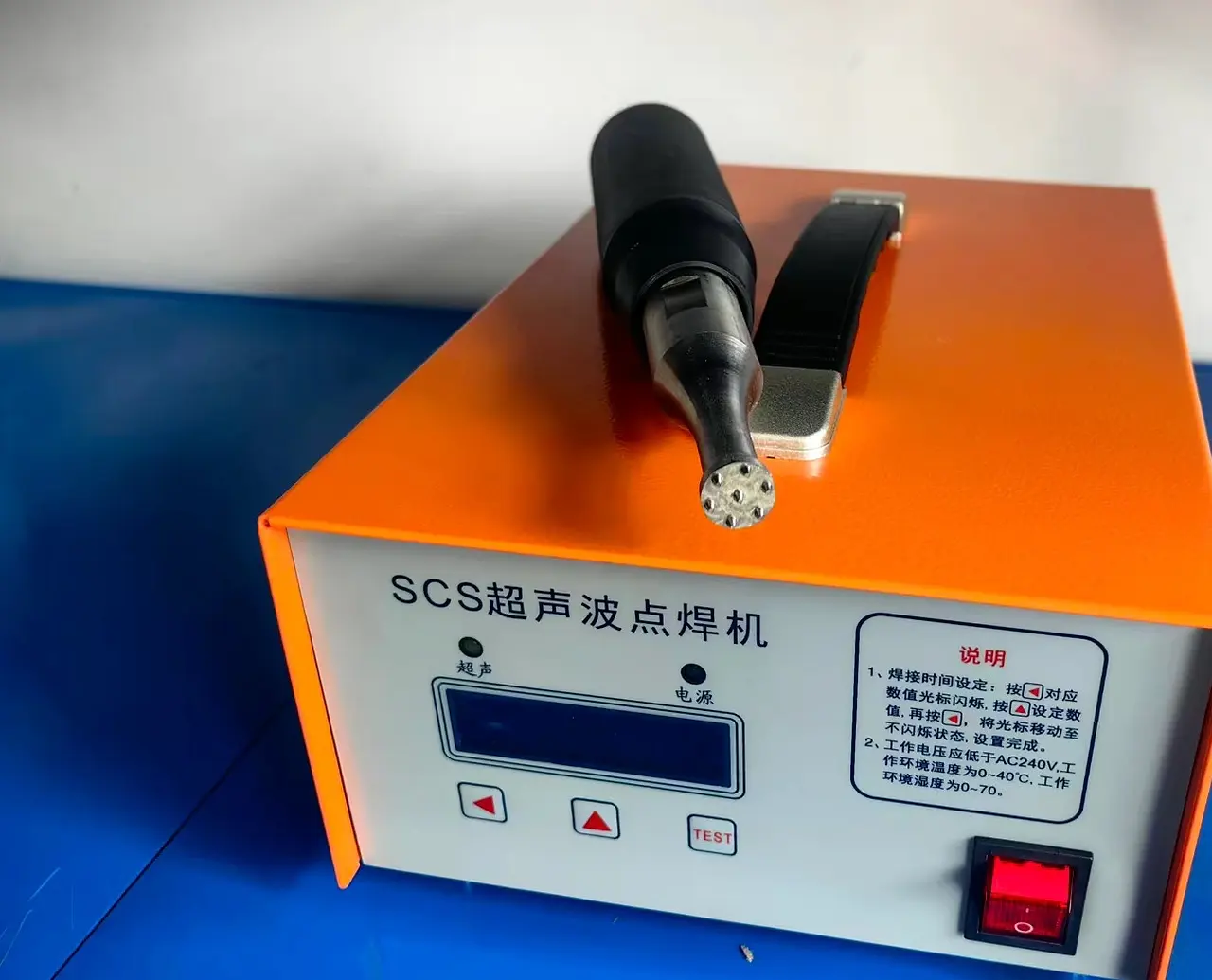
- 03 Ultrasonic belt welder Equipment · Our own make Ultrasonic welding equipment for making belt joints.
FAQ
Questions buyers ask
What thickness of PP manure belt is typical?
For stacked layer cages, 1.0 mm and 1.2 mm are the most common. Choose based on row length, manure moisture and installation accuracy; we confirm thickness on your quotation.
How long does a PP manure belt last?
There is no reliable single figure. Life depends on the material, tension, roller condition, manure build-up on rollers and whether the belt edge rubs the frame.
Can PP belts be joined by high-frequency welding?
Generally not — PP is non-polar. PP belts are joined by ultrasonic or hot-plate welding. PVC belts can be RF-welded.
Do PP belts crack in winter?
PP becomes more brittle in the cold; how cold depends on the formulation. Tell us your minimum house temperature and avoid welding below 0 °C.